From new Korean family sagas and Japanese literary translations to imaginative picture books for young children, these are the books I’m looking forward to between the end of 2026 and early 2027.
My reading interests have become a rather interesting mix over the past few years. On one hand, I still gravitate towards Asian literature, particularly books about complicated families, difficult relationships, social expectations and the things people choose not to say to one another. On the other, I’ve developed an increasingly serious interest in children’s books, largely because I’m now spending so much time exploring them with my little one.
The two interests might seem unrelated, but I don’t think they are entirely different. In both cases, I appreciate books that notice the small details of everyday life. I like characters who feel like real people rather than convenient examples of a particular message, and stories that have something meaningful to say without constantly announcing what that message is.
With children’s books, I’m also becoming more interested in the illustrations themselves. A picture book can have very few words and still offer an extraordinary amount to discover. Some of the most interesting titles are those that allow children to decide what catches their attention, rather than directing them towards one obvious lesson.
Looking through the forthcoming publishing catalogues for late 2026 and early 2027, I’ve found several books that appeal to these interests. There are new novels about Korean family histories, marriage, political change and the complexities of living with people we love. There are also Japanese picture books making their way into English, including titles that have been enjoyed by generations of children in Japan but may be unfamiliar to many readers elsewhere.
And, rather unusually, there’s a children’s book on this list that I’ve been involved in creating myself.
I’ve included publication dates where they have been announced, although these refer to specific English-language editions and may differ from when the books actually arrive in Singapore. These are books I’m anticipating, rather than reviews of titles I’ve already read.
Upcoming Asian Fiction I’m Looking Forward To
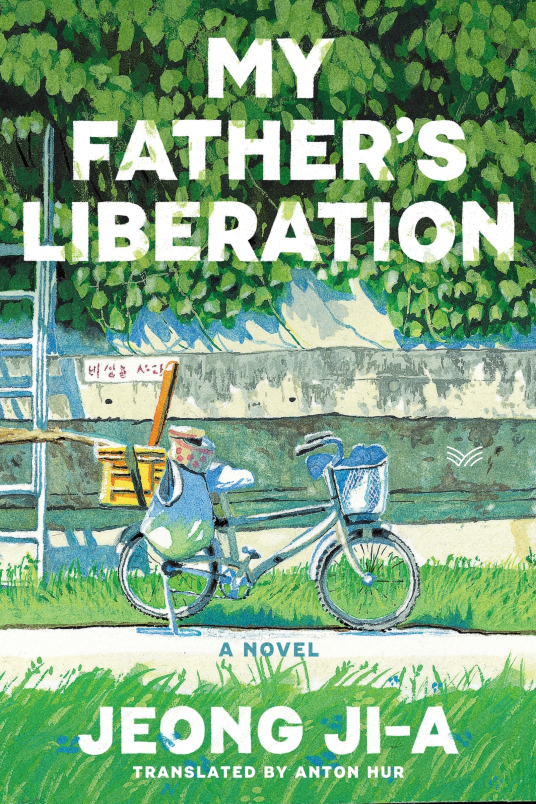
1. My Father’s Liberation by Jeong Ji-a
Expected publication: 12 January 2027 (US English edition)
Translated from Korean by Anton Hur · HarperVia
I’m particularly interested in novels that explore how little we sometimes know about our own parents, even after spending much of our lives with them.
My Father’s Liberation appears to approach that subject through an unusual combination of political history, grief and humour.
The novel begins after Ahry’s father dies in a rather absurd accident involving a telephone pole. As she returns to her hometown for his funeral, the stories shared by his friends and former comrades reveal parts of his life that she has never fully understood.
Her father was a partisan whose political beliefs influenced both his own life and the lives of those around him. Over the course of the funeral, Ahry must reconsider a man she thought she knew, piecing together his personal history alongside a much larger account of Korea’s troubled past.
What appeals to me is the contrast between a daughter’s private memories of her father and the person remembered by everyone else. Families often develop remarkably fixed ideas about one another, particularly when parents and children disagree over politics, values or the decisions that shaped their lives.
I’m curious to see how Jeong balances these tensions with humour. Political family novels can easily become solemn, but the premise suggests a story that recognises how ridiculous and moving family relationships can be at the same time.
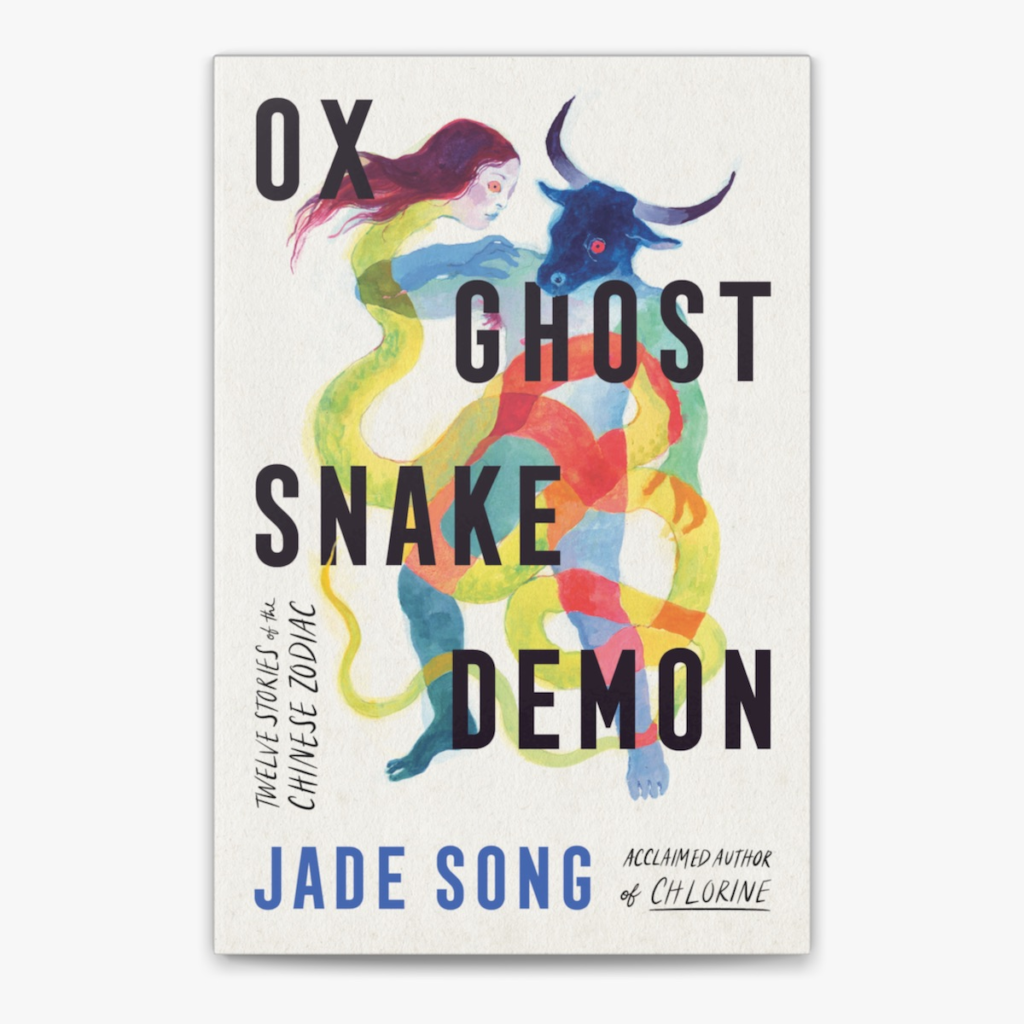
2. Ox Ghost Snake Demon by Jade Song
Expected publication: 14 January 2027 (UK edition)
Footnote Press
Not everything on my reading list needs to be a realistic family drama, and this forthcoming collection sounds particularly difficult to categorise.
Jade Song, the author of Chlorine, returns with stories inspired by the animals and symbolism of the Chinese zodiac. The collection is described as exploring identity, desire, prejudice, queerness and the complicated relationship between ordinary life and the supernatural.
I like the idea of using something as familiar as the Chinese zodiac as the starting point for unsettling literary fiction.
For many of us, the zodiac is woven into everyday cultural life. We encounter it through Chinese New Year celebrations, conversations about personality traits and the occasional attempt to explain someone’s behaviour through the animal associated with their birth year.
But its symbolic possibilities are considerably stranger than the cheerful illustrations that appear on festive decorations.
I’m interested in whether Song uses those associations to challenge familiar ideas about identity and inherited expectations, rather than simply incorporating them as decorative cultural references.
The collection also offers a welcome change from the longer novels that tend to dominate my reading list. A really good short story can leave a surprisingly lasting impression, particularly when it resists explaining everything.
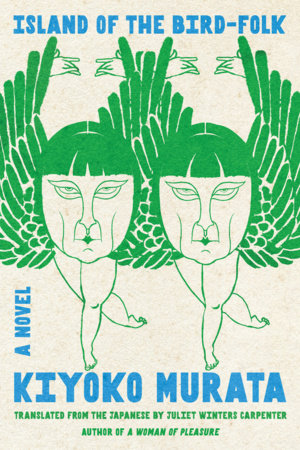
3. Island of the Bird-Folk by Kiyoko Murata
Expected publication: 19 January 2027 (US edition)
Translated from Japanese by Juliet Winters Carpenter · Counterpoint
This is one of the more unusual premises I’ve encountered in the forthcoming Japanese fiction lists.
On a remote island near Japan’s border, two elderly women are the last remaining residents of a once-thriving fishing community. One is ninety-two and the other eighty-eight, and neither has much interest in leaving, despite the practical difficulties of continuing to live there.
Their determination isn’t simply stubbornness.
The island is connected to their memories of loved ones lost at sea, and they believe that those who never returned have become birds. The women themselves are preparing for a similar transformation.
I find the combination of ageing, grief, isolation and attachment to place particularly intriguing.
There’s a tendency in contemporary fiction to treat moving on as an unquestionably positive thing. Characters are encouraged to abandon old habits, leave unsuitable environments and embrace change.
But what happens when a place genuinely contains the things that give someone’s life meaning, even if continuing to live there makes little practical sense?
I hope Murata allows that question to remain complicated. I’m also interested in how the novel portrays elderly women who refuse to organise their lives around what other people consider sensible or safe.
4. The Family Plot by Yan Lianke
Expected publication: 4 February 2027 (UK edition)
Translated from Chinese by Jeremy Tiang · Chatto & Windus
The premise of The Family Plot is considerably less comforting than most conventional family fiction.
Set in a poor town in China’s Central Plains, it follows a family whose members harbour increasingly murderous feelings towards one another. A son dreams of escaping to America, his father wants to build a new house, and his mother worries about the direction her son’s life is taking.
Beneath these ambitions lies a great deal of resentment.
Yan Lianke is known for using satire to examine inequality, social transformation and the consequences of political and economic ambition, and this novel appears to bring those concerns into the particularly claustrophobic environment of a family home.
I’m interested in the way the story seems to connect ordinary aspirations with extraordinary cruelty.
Wanting a better house, a more comfortable life or the opportunity to leave a difficult environment doesn’t seem especially unreasonable. Yet when everyone views other people as obstacles to their own future, even the most familiar relationships can become destructive.
I also appreciate fiction willing to portray families as sources of conflict without insisting that love will ultimately resolve everything.
Not every family story needs to end in reconciliation, and not every character has to become more sympathetic as the novel progresses.
5. Iris by Weike Wang
Expected publication: 2 February 2027 (US edition)
Riverhead Books
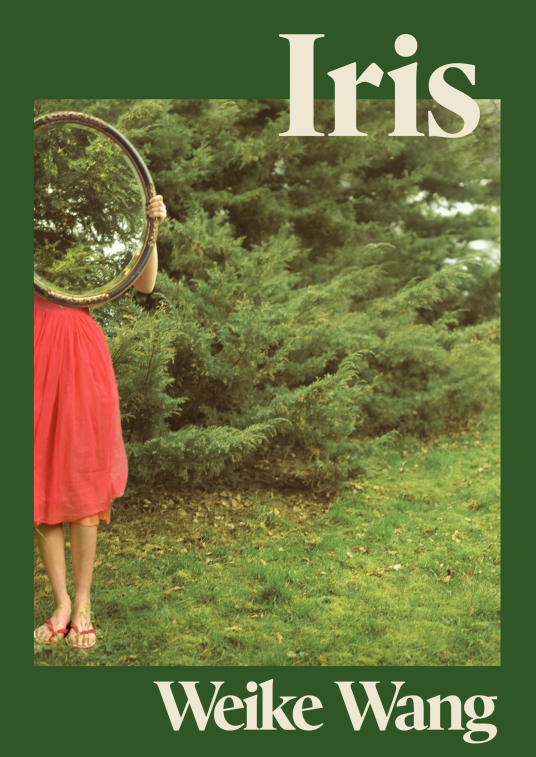
Weike Wang’s Iris sounds like a novel that could generate some very interesting discussions about marriage, emotional infidelity and the relationships that exist somewhere between friendship and romance.
Iris and Bowen meet at an artists’ residency and form an immediate intellectual connection. Both are married to other people, but their conversations become increasingly intimate as they discover shared interests, cultural experiences and an attraction that neither can easily dismiss.
I tend to enjoy novels where the central conflict emerges from ordinary people making emotionally complicated choices, rather than from an elaborate external plot.
There’s something especially interesting about relationships that don’t fit neatly into familiar categories.
Two people may be deeply important to one another without being romantically involved. But when their emotional intimacy begins affecting their existing relationships, the distinction becomes much harder to maintain.
What interests me here is that the characters are also artists. Creative admiration can become tangled with attraction, particularly when someone makes us feel intellectually understood in a way we haven’t experienced for some time.
I’m hoping for a novel that takes these ambiguities seriously without turning either character into an obvious villain.
6. Minbak by Ela Lee
Expected publication: 16 February 2027 (US edition)
St. Martin’s Press
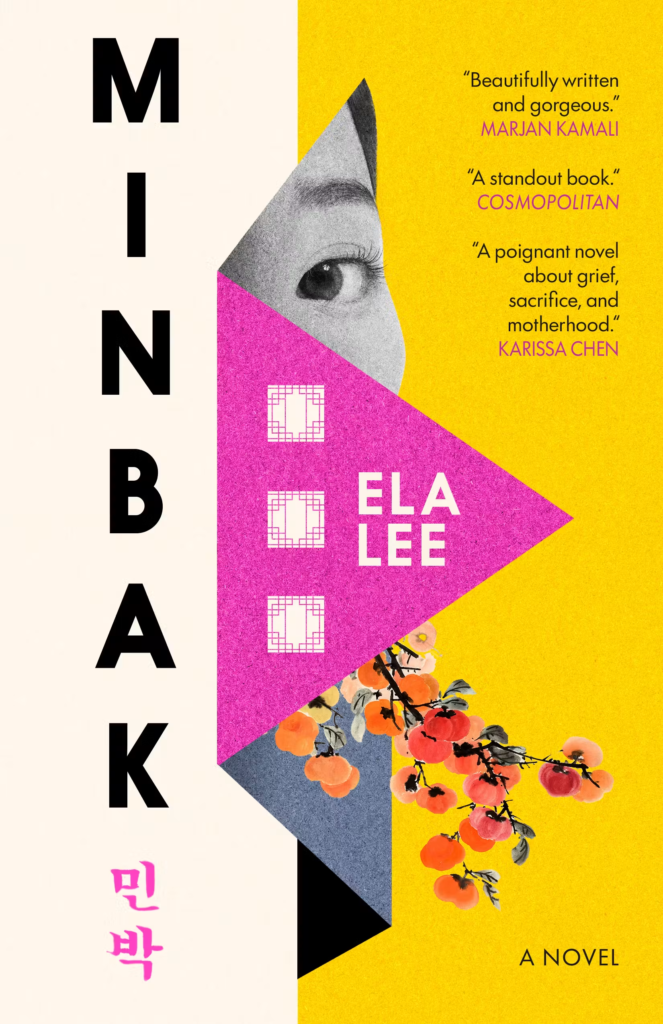
Of all the upcoming family novels, Minbak may be the one I’m most curious about.
The story moves between South Korea in 1985 and London in 2008, following three generations of women whose lives have been shaped by migration, grief and the consequences of difficult decisions.
Hana grows up helping her family run a minbak, a form of lodging in a private home. After a traumatic experience, she leaves Korea for London, hoping to build a different future.
Years later, the sudden death of her husband leaves her in serious financial difficulty. With her daughter and ageing mother depending on her, Hana turns their London home into a minbak, bringing the family back to an arrangement she thought she had left behind.
I like the symmetry of that premise.
The business that once represented the limits of Hana’s childhood becomes the means through which she tries to protect her own family.
I’m particularly interested in the relationship between the three women and the different ways they might understand duty, sacrifice and independence.
These are recurring themes in Asian family fiction, but they remain compelling when authors give each generation a distinct perspective rather than presenting the youngest as progressive and the oldest as hopelessly traditional.
The novel’s connection to South Korea’s transition to democracy also suggests that the family story will be shaped by historical forces larger than the characters themselves.
7. Daughters of the Pink City by Alka Joshi
Expected publication: 2 March 2027 (US edition)
Park Row Books
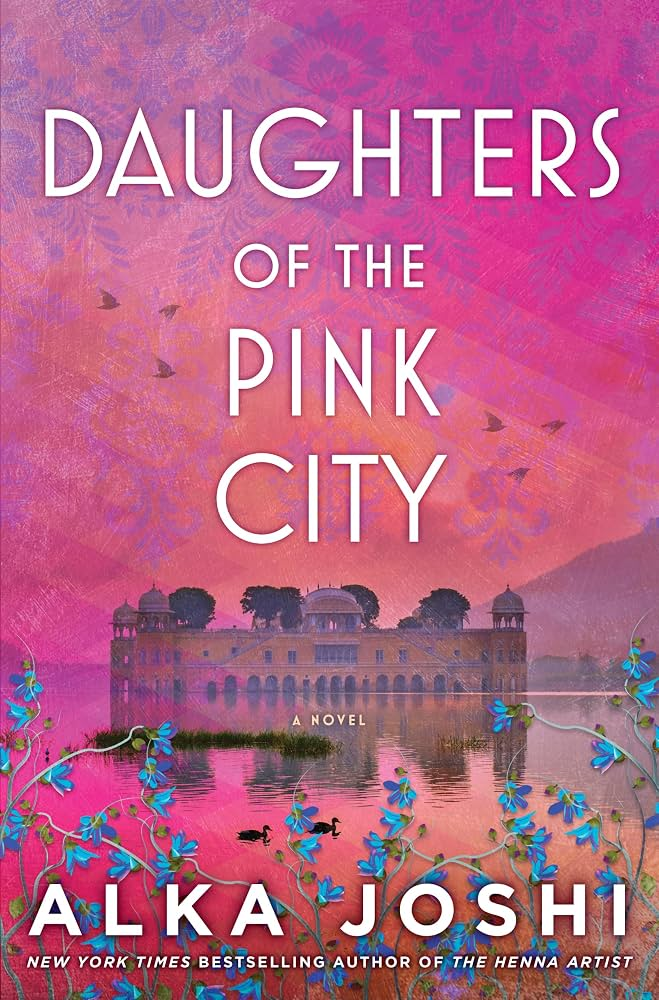
I’m always interested in historical fiction that examines women’s lives through something more specific than the familiar struggle between tradition and independence.
In Daughters of the Pink City, sixteen-year-old Deepa is sent to live with her strict grandparents in Jaipur after her mother disappears. Her life is governed by family expectations until she discovers kathak, a classical Indian dance form that offers both an artistic outlet and a possible connection to her mother’s past.
Deepa begins learning secretly from a courtesan, setting herself against the social rules that determine what a respectable young woman is allowed to do.
I find the relationship between artistic expression and personal freedom especially appealing here.
Dance isn’t simply a hobby for Deepa. It appears to give her a way of exploring an identity that her family has already tried to define for her.
I’m also interested in how the novel handles the women surrounding her. Historical fiction often celebrates young heroines who defy tradition, but the older women in these stories can sometimes become little more than obstacles.
I’d like to see how Joshi explores the experiences that shaped those women, particularly the compromises they may have made when they were young themselves.
Children’s Books I’m Looking Forward To
My interest in children’s publishing has become increasingly specific. I’m drawn to picture books with illustrations that reward another look, stories that are enjoyable to read aloud and titles that leave children room to interpret what they’re seeing.
I’m also becoming more selective about books that promise a particular developmental benefit. Of course I appreciate books that encourage vocabulary, imagination and conversation, but I don’t think a story should have to function as an educational exercise to justify its place on a child’s bookshelf.
A few of these forthcoming titles look particularly promising. Some may be more suitable for my child now, while others are books I’d be happy to keep for when she’s older.
8. I’ll Draw My Own Pictures by Ryoji Arai
Expected publication: 2 February 2027 (US edition)
Translated from Japanese by Lisa Wilcut · Do Re Mi Books
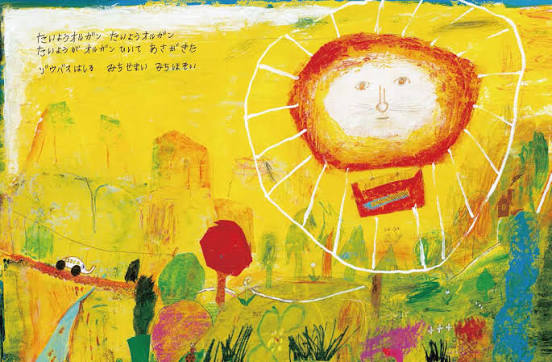
This is exactly the sort of picture book I find myself increasingly drawn to.
Rather than simply presenting a completed story through words and illustrations, I’ll Draw My Own Pictures invites readers into the process of creating the pages themselves.
The premise suggests something playful and slightly unconventional, which I appreciate in children’s books.
Adults tend to be rather particular about how stories should be read. We begin at the front, follow the words and expect children to understand what the pictures are communicating.
But young children often approach books quite differently. They notice incidental details, return repeatedly to a favourite illustration or invent their own explanations for what is happening.
A picture book that acknowledges this imaginative freedom sounds especially appealing.
I’m interested in seeing how Arai uses the relationship between the narrator, the illustrator and the reader, and whether the result feels as playful on the page as it does in the description.
9. Ban Ban’s Bakery by Elena Hiroko Magee
Expected publication: 2 March 2027 (US edition)
Do Re Mi Books
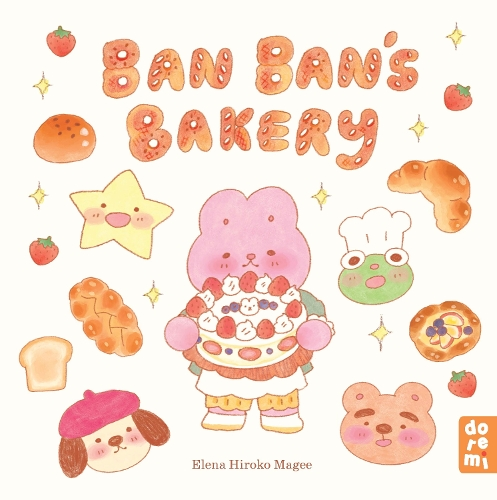
There are some picture-book premises that sound delightful without needing to be especially complicated.
Ban Ban’s Bakery follows a rabbit preparing to open a bakery with help from friends in Hazel Wood.
I know that doesn’t sound particularly revolutionary, but I’m perfectly happy with a children’s book that begins with something as ordinary as making food and preparing for visitors.
Bakeries offer plenty of opportunities for visual storytelling. There are ingredients, utensils, customers, unexpected mishaps and all sorts of small things for children to recognise.
What interests me most is whether the illustrations give those details enough personality to make the book enjoyable beyond its central story.
I’m also curious about the way friendship and cooperation will be portrayed. Children’s books frequently use these subjects to deliver very explicit lessons about sharing or helping others.
I’d much rather read a funny story in which those ideas emerge naturally through the characters’ actions.
10. My Magic Dress by Kayako Nishimaki
Expected publication: 2 March 2027 (new English-language edition)
Translated from Japanese by Lisa Wilcut · Do Re Mi Books
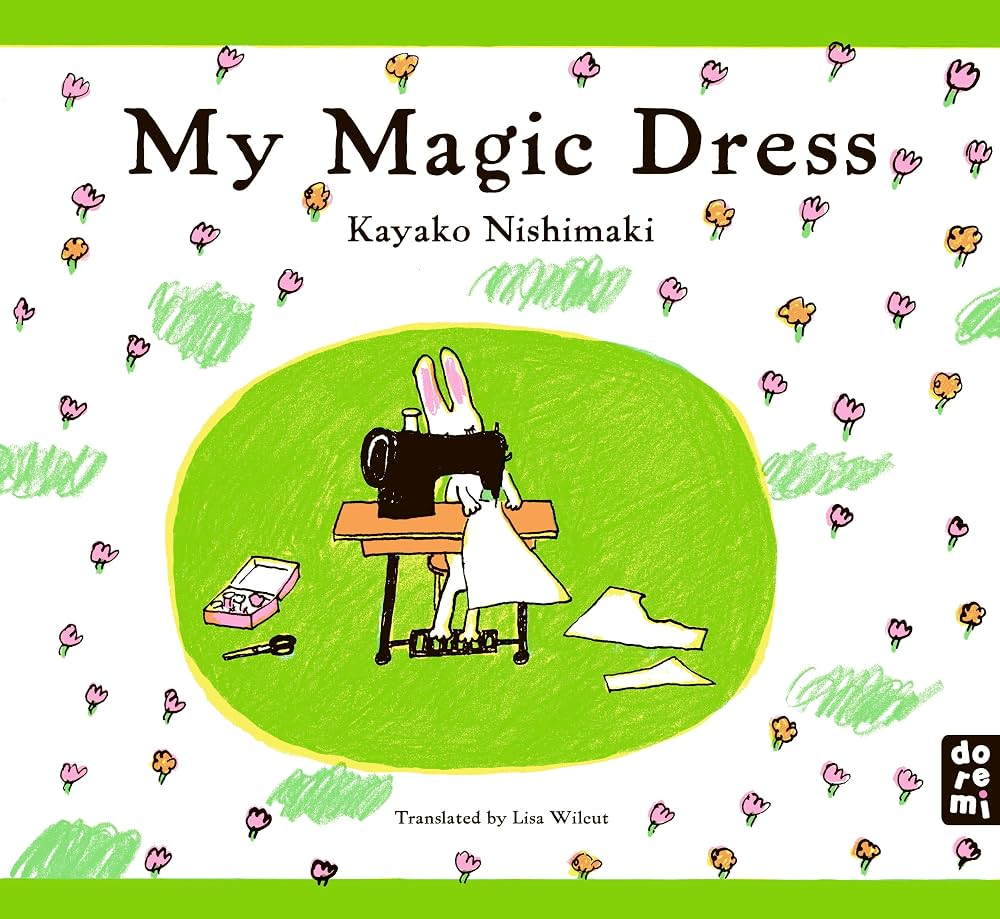
This is not a newly written Japanese picture book, but an established classic making its way to a new English-language audience.
The story follows a rabbit who makes a dress from a piece of white cloth that falls from the sky. As she moves through different environments, the dress begins changing its appearance, taking on the patterns and colours of the world around her.
A field of flowers transforms the fabric one way; other encounters produce entirely different designs.
I love the premise because it makes observation central to the story.
The illustrations appear to invite children to notice how the dress changes and anticipate what might happen when the rabbit enters a different setting.
It’s a simple idea, but one that could become wonderfully imaginative in the hands of a skilled illustrator.
I’m also interested in how a classic Japanese picture book feels to contemporary young readers, especially when its visual style may differ from the brightly polished illustrations common in many newer titles.
Not every good children’s book needs to look modern.
Sometimes, older books offer something refreshing precisely because they approach illustration, pacing and storytelling differently.
11. Grandpa’s Cats by Chih-Hao Yen, illustrated by Hui-Yin Hsueh
Expected publication: 23 March 2027 (English edition)
Translated by Michelle Kuo · Eerdmans Books for Young Readers
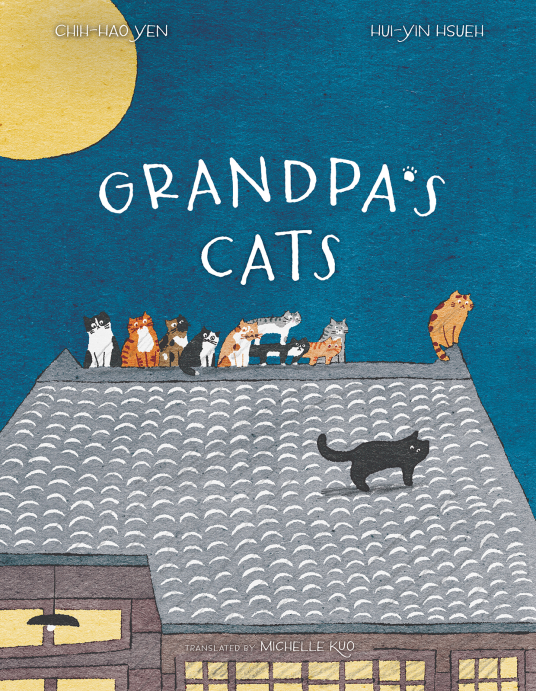
This Taiwanese picture book may be one of the most emotionally interesting children’s titles on my list.
Despite the title, the story centres on a grandmother who dislikes cats, partly because they remind her of her late husband.
Yet the neighbourhood cats gradually become part of her life, and their presence takes on particular significance as she experiences increasing memory loss.
It’s a much more serious subject than the cheerful animal illustrations might initially suggest.
I appreciate children’s books that are willing to explore grief, ageing and illness without assuming young readers need to be protected from every difficult emotion.
That doesn’t mean every child will be ready for the same conversation, or that a book about memory loss will be suitable for every toddler.
But I think there is room on a child’s bookshelf for stories that are both gentle and emotionally honest.
I’m especially interested in how the illustrations handle the contrast between the cats’ playful behaviour and the grandmother’s changing circumstances.
A good picture book can introduce an enormous amount of emotional complexity without requiring lengthy explanations.
This sounds like one that may reward thoughtful shared reading, particularly with older children.
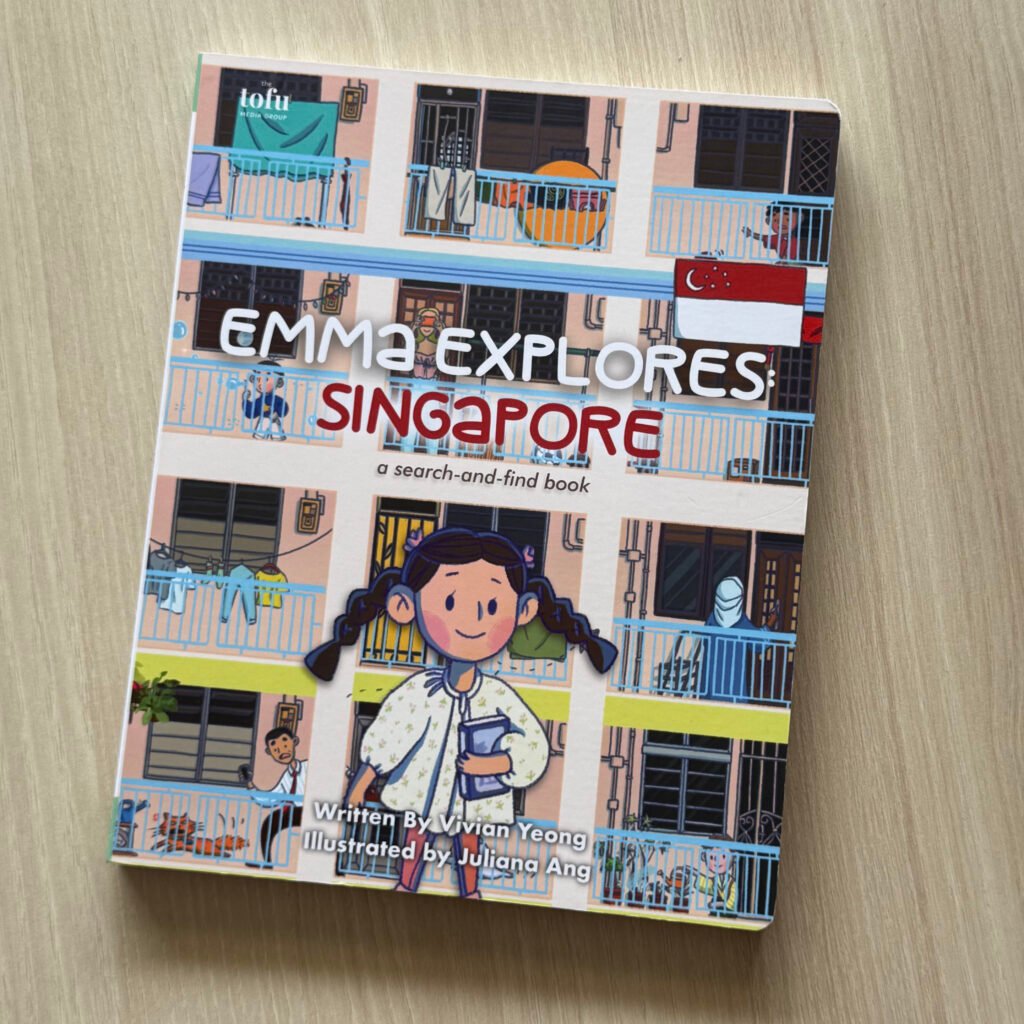
12. Emma Explores: Singapore — A Very Personal Addition to This List
Expected launch: December 2026
Created and independently published in Singapore by The Tofu Media Group
I should make a disclosure here: this final title is one I’ve been directly involved in creating, so it isn’t an independent recommendation in the same way as the other books.
Emma Explores: Singapore began as a birthday gift idea for my daughter, who loves search-and-find books and noticing all the little details in illustrations.
We started working on it in May, and what began as a personal project gradually developed into a proper children’s book, written and illustrated by local creatives.
The book follows two-year-old Emma and a recurring cast of characters through five familiar Singaporean settings: a hawker centre, an HDB block, an MRT carriage, a wet market and Bishan–Ang Mo Kio Park.
There are things to search for, little interactions happening in the background and characters who keep appearing in different places.
One of the ideas I felt strongly about was that the book shouldn’t simply be another introduction to Singapore’s major landmarks.
Of course, there is a place for children’s books about the Merlion and Marina Bay Sands, but I wanted to explore the parts of Singapore that young children encounter in their everyday lives. A hawker centre meal, a train journey or a visit to the wet market may not sound especially exciting to adults. For a toddler, however, those places can be full of things worth noticing.
I also wanted to make something that children could return to repeatedly rather than finish once and put aside. Search-and-find books are particularly good at this because the reading experience doesn’t have to be identical every time. A child might discover a different character, notice something funny in the background or make up a completely new story about what is happening on the page.
Having spent so much time thinking critically about children’s books as a reader and parent, it’s been interesting to experience the process from the other side.
Creating a book has made me appreciate how much thought goes into deciding what appears in an illustration, what children might find interesting and how much guidance adults actually need.
The sample has now arrived, and we’re looking forward to having the finished copies ready in December.
For anyone interested in following the launch, there’s an early-access list for Emma Explores: Singapore, where ordering details will be shared when confirmed.
What I’m Hoping to Read More of in 2027
Looking at these forthcoming books, I can see a few patterns in what catches my attention.
In adult fiction, I continue to gravitate towards complicated family relationships, particularly stories where personal decisions are shaped by history, migration or expectations that have been passed down through generations.
I’m also drawn to novels that resist making their protagonists entirely sympathetic. A difficult character can be considerably more interesting than one whose decisions are always easy to understand.
In children’s literature, I’m hoping to discover more books that take illustration seriously as a form of storytelling.
I’d like to see more playful, unusual picture books, particularly those that trust children to notice things for themselves rather than guiding them towards a predetermined lesson.
And I would love to see more Singaporean children’s books that treat our everyday surroundings as worthy settings for imaginative stories, rather than relying primarily on familiar landmarks or cultural explanations.
Some of the books on this list will probably turn out to be favourites. Others may not quite live up to what I’m hoping for, and that’s part of the pleasure of looking forward to a new release.
I don’t believe every anticipated book needs to become a five-star read.
Sometimes, a book is worth picking up simply because its premise raises an interesting question, its illustrations look promising or it offers a perspective I haven’t encountered before.
For now, these are the forthcoming titles I’ll be keeping an eye out for, with plenty of room for unexpected discoveries along the way.
Publication note: This roundup was prepared in November 2026 using announced publisher and bookseller schedules. Dates refer to specific forthcoming editions and may change. Singapore availability may differ from the stated US or UK release dates. The books are included based on their premises and published previews, not as reviews of completed readings.

Leave a Reply