There is a particular kind of pressure that comes from knowing how much your parents have sacrificed for you. Perhaps they worked long hours to pay for your education, moved to another country in search of better opportunities, or spent years building a life that would allow you to enjoy comforts they never had.
The expectation is rarely stated quite so directly, but it can be difficult to ignore: after everything your parents have done, surely the least you can do is make something of yourself.
For some families, that means getting good grades and entering a respectable profession. For others, it’s marrying the right person, maintaining family traditions or simply avoiding choices that might cause embarrassment. These expectations aren’t unique to Asian households, of course, and they vary enormously across cultures and generations. But they appear frequently in Asian literature, particularly in stories about immigration, social mobility and the complicated relationships between parents and their adult children.
What makes these novels interesting is that the parents aren’t always unreasonable, nor are the children necessarily right to reject everything they’re told.
Many parents genuinely believe they’re protecting their children from the hardships they experienced themselves. Yet the same advice that comes from love can become suffocating when children are expected to pursue lives they don’t actually want.
The best novels about parental expectations understand this contradiction. They give us ambitious children, disappointed parents, difficult marriages and family arguments that continue long after everyone involved has forgotten what started them.
If you enjoy literary fiction about complicated families, here are fourteen novels worth reading, from Chinese American mother-daughter stories to Singaporean fiction about academic achievement and Korean family sagas about the pursuit of success.
What Are the Best Novels About Asian Parental Expectations?
Everything I Never Told You by Celeste Ng is one of the strongest choices for readers interested in the emotional consequences of parents projecting their unfulfilled dreams onto their children. The Joy Luck Club by Amy Tan offers a broader examination of Chinese immigrant mothers and their American-born daughters, while Chemistry by Weike Wang explores the exhaustion of pursuing academic success primarily to satisfy family expectations.
For readers interested in Singapore, The Original Daughter by Jemimah Wei examines academic competition, ambition and sibling relationships, while Last Tang Standing by Lauren Ho takes a much funnier approach to the pressure to marry.
Those who prefer multigenerational family sagas should consider A Place for Us by Fatima Farheen Mirza or American Hagwon by Min Jin Lee.
Best Novels About Parental Expectations at a Glance
| Book | Author | Central family pressure | Reading mood |
|---|---|---|---|
| Everything I Never Told You | Celeste Ng | Living out parents’ unfulfilled dreams | Devastating, reflective |
| The Joy Luck Club | Amy Tan | Cultural expectations and mother-daughter conflict | Emotional, bittersweet |
| The Original Daughter | Jemimah Wei | Academic achievement and sibling comparison | Intense, moving |
| Chemistry | Weike Wang | Academic success and career expectations | Wry, introspective |
| American Hagwon | Min Jin Lee | Education and family sacrifice | Sweeping, reflective |
| A Place for Us | Fatima Farheen Mirza | Religion, tradition and obedience | Tender, heartbreaking |
| The Namesake | Jhumpa Lahiri | Cultural identity and family heritage | Quiet, poignant |
| Kim Jiyoung, Born 1982 | Cho Nam-joo | Gender roles, marriage and motherhood | Unsettling, restrained |
| Last Tang Standing | Lauren Ho | Marriage and professional success | Funny, romantic |
| The Marriage Clock | Zara Raheem | Marriage deadlines and parental approval | Lighthearted, relatable |
| The Family Chao | Lan Samantha Chang | Family business and paternal authority | Darkly funny, tense |
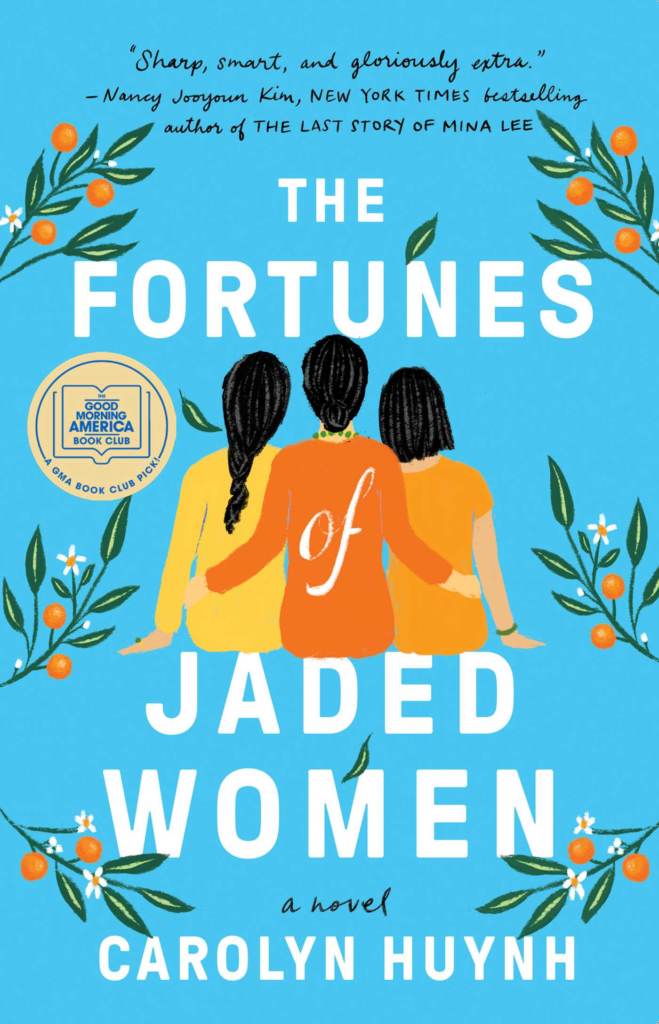
| The Fortunes of Jaded Women | Carolyn Huynh | Marriage, daughters and family reputation | Chaotic, funny |
| Unmarriageable | Soniah Kamal | Marriageability and social standing | Witty, romantic |
| Pachinko | Min Jin Lee | Intergenerational sacrifice and family duty | Epic, bittersweet |
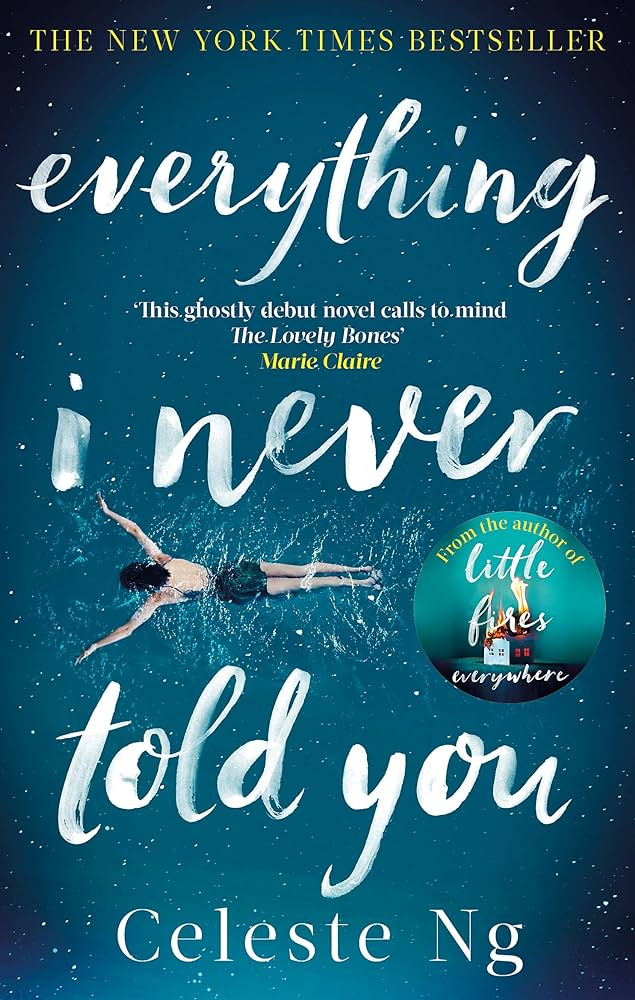
1. Everything I Never Told You by Celeste Ng
Best for: Readers interested in the damage caused by parents projecting their own ambitions onto their children.
If there’s one novel that captures how parental expectations can quietly overwhelm a child, it’s Everything I Never Told You.
Set in 1970s Ohio, the novel follows the Chinese American Lee family after their teenage daughter, Lydia, is found dead in a nearby lake.
As her parents struggle to understand what happened, the story gradually reveals the enormous expectations they had placed upon her.
Lydia’s mother, Marilyn, once dreamed of becoming a doctor but was unable to pursue the career she wanted. Her father, James, spent his life feeling like an outsider and desperately wants his daughter to experience the social acceptance he never enjoyed.
Neither parent necessarily sees these ambitions as unreasonable. They simply want Lydia to have opportunities they didn’t.
But what happens when a child becomes responsible for fulfilling two very different sets of unrealised dreams?
What makes Celeste Ng’s novel particularly effective is how sympathetically it examines the parents’ motivations without excusing the consequences of their behaviour. Marilyn and James love their children, yet they are so consumed by their own disappointments that they struggle to recognise what Lydia actually needs.
The novel also explores the experiences of Lydia’s siblings, whose own emotional needs are frequently overlooked.
It’s a devastating story about the difference between wanting the best for your child and allowing them to decide what that might look like.
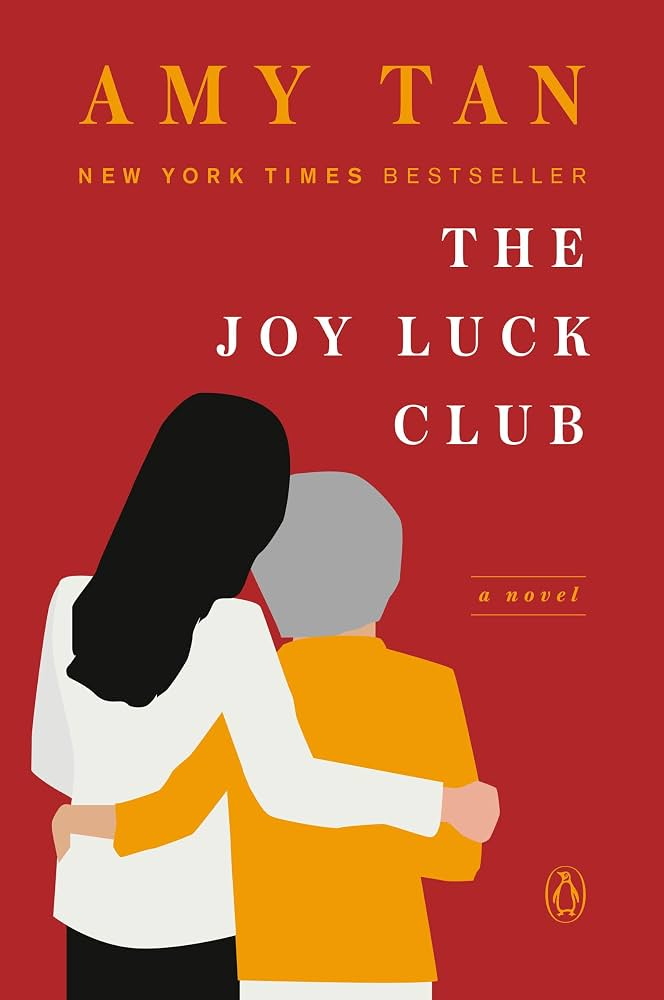
2. The Joy Luck Club by Amy Tan
Best for: Readers who enjoy complicated mother-daughter relationships and intergenerational family stories.
Few novels have explored the relationship between Chinese immigrant mothers and their American-born daughters as memorably as Amy Tan’s The Joy Luck Club.
The novel follows four Chinese women who form a mahjong group in San Francisco, alongside the daughters they raise in America.
The mothers have lived through extraordinary hardship, including war, poverty, displacement and difficult marriages. Their daughters, meanwhile, have grown up in a different country, with opportunities and expectations their mothers could scarcely have imagined.
Naturally, the two generations don’t always understand each other.
The mothers worry that their daughters are becoming disconnected from their heritage, making poor romantic choices or failing to appreciate the sacrifices that made their lives possible.
The daughters often interpret these concerns as criticism, interference or evidence that their mothers will never be satisfied with anything they accomplish.
What makes the novel so compelling is that the misunderstandings work in both directions.
The mothers don’t always recognise how much their expectations burden their daughters, while the daughters have little understanding of the experiences that shaped their mothers’ beliefs.
Tan gradually reveals these histories through interconnected stories, allowing readers to appreciate how love can become entangled with fear, disappointment and the desire to protect someone from repeating your mistakes.
It’s an excellent choice for anyone who has ever struggled to explain their decisions to a parent who sees the world rather differently.
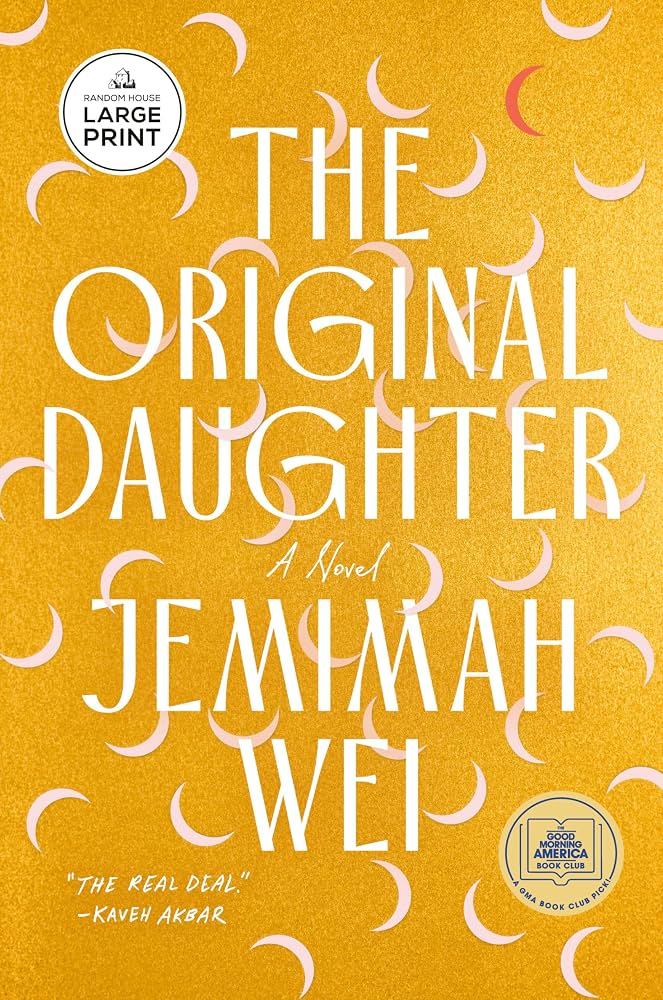
3. The Original Daughter by Jemimah Wei
Best for: Readers interested in Singapore’s academic culture, sibling rivalry and the pressure to be exceptional.
For Singaporean readers, The Original Daughter may feel particularly close to home.
Jemimah Wei’s debut follows Genevieve Yang, a girl growing up in a working-class Singaporean household at the turn of the millennium.
As the family’s circumstances change and an unexpected younger sister, Arin, enters her life, Genevieve becomes increasingly determined to excel academically and create a better future for herself.
In a society where educational achievement can appear to offer the most reliable route towards social mobility, her ambitions are understandable.
But working towards success gradually becomes more than a personal goal. It begins to shape her identity, relationships and understanding of what makes someone worthy of admiration.
The contrast between Genevieve and Arin is particularly interesting. While Genevieve works relentlessly to prove herself through conventional achievement, Arin discovers opportunities that don’t necessarily follow the same academic route.
Their different paths raise uncomfortable questions about how families measure success and what happens when the child who has done everything right doesn’t receive the rewards she expected.
What makes the premise especially relevant in Singapore is the way academic competition can become intertwined with family responsibility.
Good grades aren’t always simply about personal achievement. They can carry the hope of financial security, parental pride and the possibility of improving an entire family’s circumstances.
The novel explores what happens when those expectations become difficult to separate from a person’s sense of self.
4. Chemistry by Weike Wang
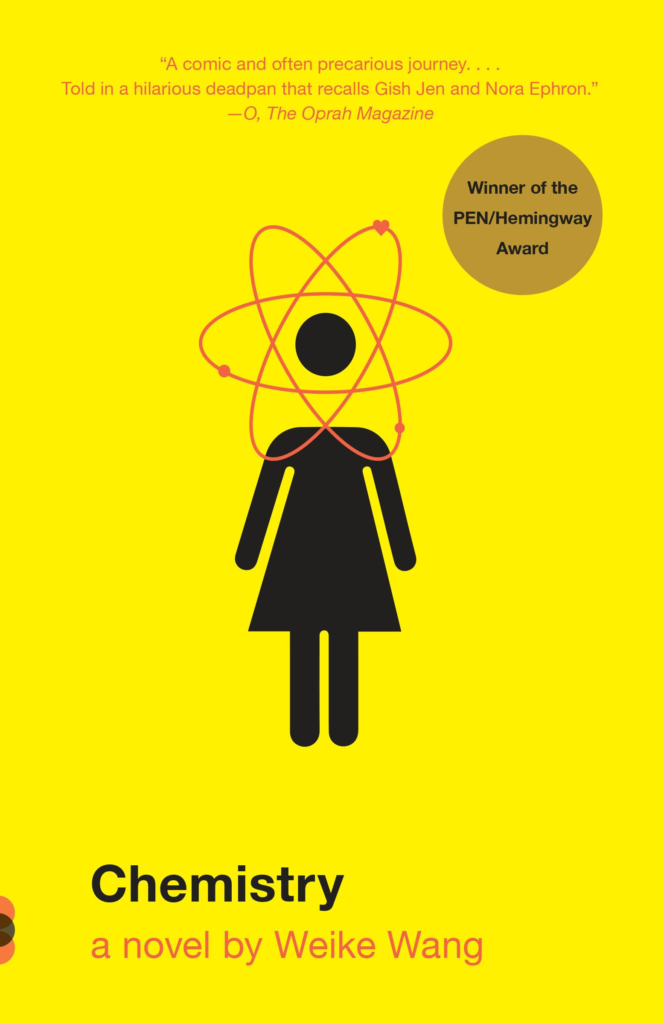
Best for: Readers who have ever questioned whether they’re pursuing the career they actually want.
The unnamed narrator of Chemistry is a graduate student at a prestigious American university, working towards a career in science.
On paper, her life appears to be progressing reasonably well. She has an impressive academic background, a supportive boyfriend and the sort of professional future that many parents would consider ideal.
Unfortunately, she’s beginning to suspect that she doesn’t actually want any of it.
Her research isn’t going well, her relationship raises difficult questions about marriage and independence, and she has become increasingly uncertain about what she’s supposed to do next.
Complicating matters are her Chinese immigrant parents, whose expectations have shaped much of her academic life.
For them, education represents security and opportunity. Their daughter’s achievements are evidence that the family’s sacrifices have been worthwhile.
But the narrator is exhausted by the pressure to keep succeeding.
What makes Chemistry particularly appealing is its dry humour. Weike Wang approaches academic anxiety with a restrained, frequently deadpan voice that makes the narrator’s predicament both funny and rather sad.
Unlike novels built around dramatic family confrontations, this one concentrates on the quieter experience of realising that you’ve spent years pursuing a future largely defined by other people.
It’s especially worth reading if you’ve ever wondered whether being good at something necessarily means you should spend the rest of your life doing it.
5. American Hagwon by Min Jin Lee
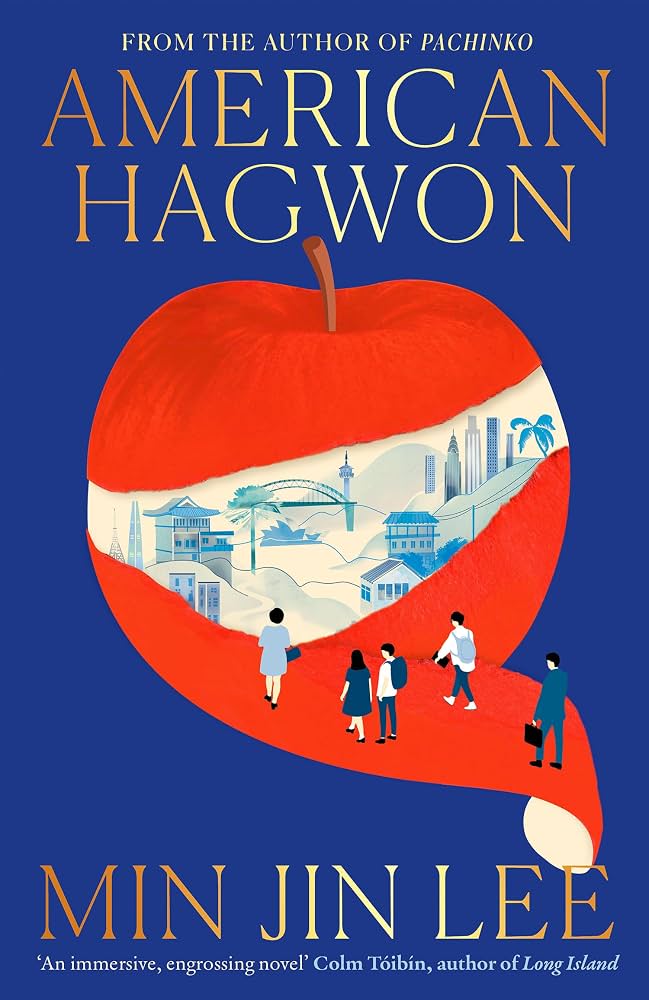
Best for: Readers interested in education, immigration and the enormous sacrifices parents make for their children’s futures.
Min Jin Lee’s American Hagwon examines a subject that will feel familiar to many Asian families: the belief that education offers the surest route towards a comfortable, secure life.
The novel follows John and Helen Koh and their three children, whose relatively stable middle-class existence in South Korea is disrupted by personal betrayal and the 1997 Asian financial crisis.
The family eventually moves from Seoul to Sydney and then Southern California, where the parents must rebuild their lives in unfamiliar circumstances.
Their previous qualifications and professional achievements no longer offer the security they once did, but their belief in the value of education remains strong.
That creates an uncomfortable contradiction. John and Helen want their children to succeed academically because they believe those achievements will protect them from economic uncertainty. Yet their own experiences demonstrate just how quickly the rules of success can change.
The novel’s interest in hagwons, South Korea’s private educational institutions, makes this tension particularly relevant.
Parents invest extraordinary resources in helping their children gain competitive advantages, often at considerable financial and emotional cost.
But when everyone is doing the same thing, the competition simply becomes more intense.
At its heart, American Hagwon asks whether preparing children for a better future can become so consuming that families lose sight of what a good life should actually involve.
6. A Place for Us by Fatima Farheen Mirza
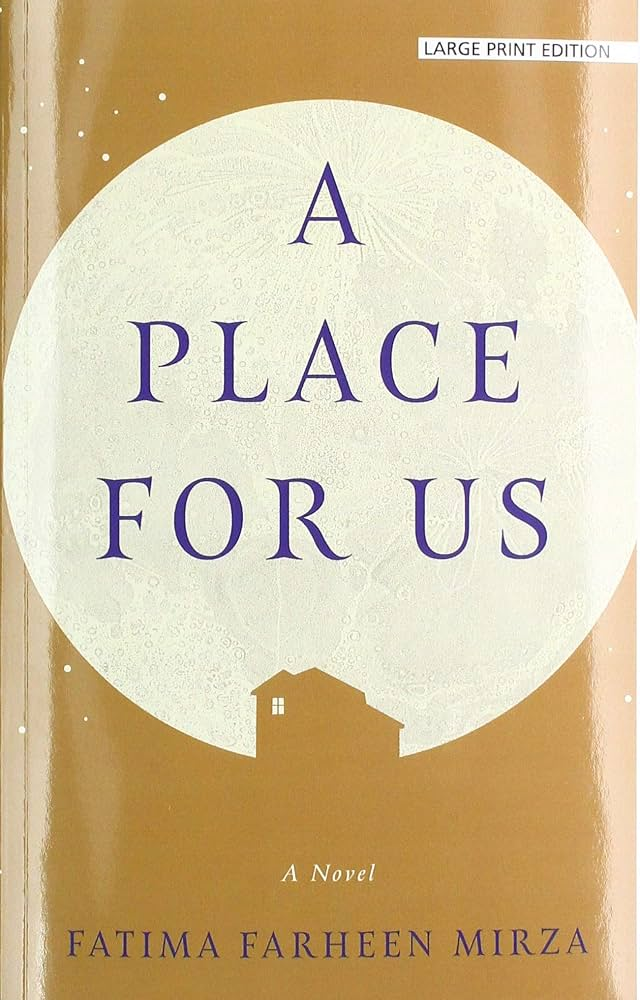
Best for: Readers who enjoy emotional family sagas about religion, belonging and the difficulty of disappointing parents.
A Place for Us begins with a wedding that brings a fractured Indian American Muslim family back together.
Hadia, the eldest daughter, is marrying a man she has chosen herself, while her estranged younger brother, Amar, returns to the family after years of separation.
As the story moves between different moments in the family’s history, readers gradually discover how relationships that once seemed loving and secure became increasingly strained.
The parents, Rafiq and Layla, have worked to raise their children according to the religious and cultural values they consider important.
For them, these expectations are not merely arbitrary rules. They represent faith, identity and the desire to give their children a strong moral foundation.
But the children must also navigate the realities of growing up in America, where personal freedom and independence can conflict with the obligations they have been taught to respect.
Amar’s relationship with his father is particularly heartbreaking.
Both struggle to understand the other’s intentions, and moments that might have been opportunities for connection gradually become sources of resentment.
What makes Fatima Farheen Mirza’s novel so moving is its refusal to reduce these conflicts to a simple choice between tradition and modernity.
The parents are not villains, and the children are not simply rebellious or ungrateful.
They are people who love one another but have become increasingly unable to communicate that love in ways the others can understand.
7. The Namesake by Jhumpa Lahiri
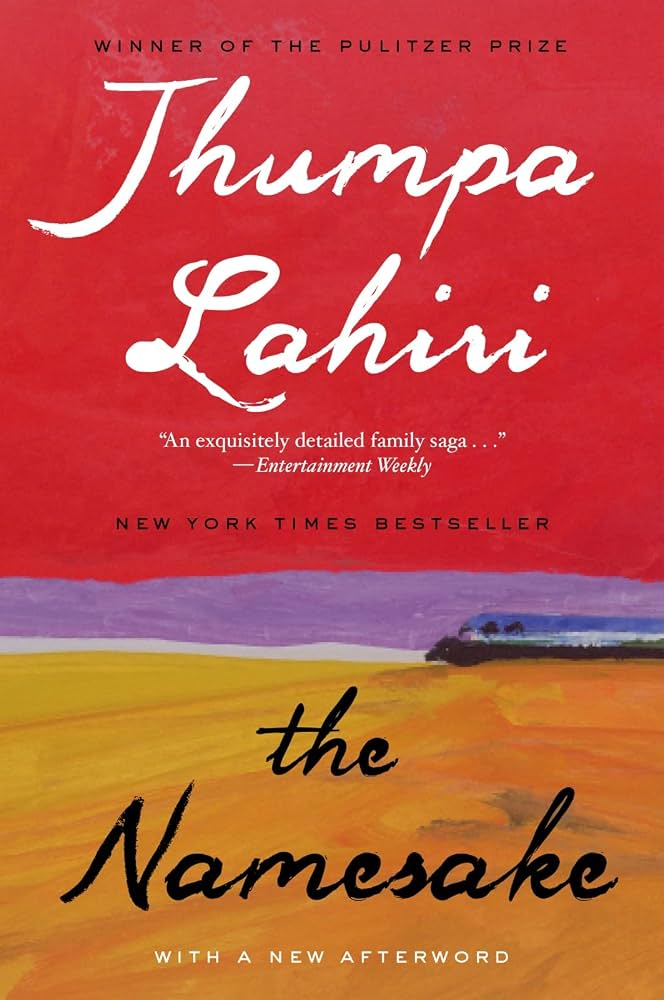
Best for: Readers interested in immigrant families, cultural identity and the complicated meaning of heritage.
In The Namesake, Jhumpa Lahiri follows the Ganguli family as they build a life in America after leaving India.
Their son, Gogol, grows up caught between the Bengali traditions of his parents and the American culture that shapes his everyday experiences.
His unusual name becomes a source of embarrassment, particularly as he grows older and becomes increasingly concerned with establishing an identity independent of his family.
What makes the novel interesting is that Gogol’s difficulties aren’t always caused by explicit parental demands.
His parents don’t necessarily insist that he reject American culture or reproduce their lives exactly.
Instead, the expectations are embedded in smaller things: family traditions, relationships, names, celebrations and assumptions about what it means to remain connected to one’s heritage.
Gogol wants to define himself on his own terms, yet he gradually discovers that the aspects of his upbringing he once found restrictive are more deeply connected to his identity than he realised.
Lahiri is particularly effective at portraying the loneliness experienced by both generations.
The parents miss a country and way of life their children have never fully known, while the children sometimes feel burdened by traditions they haven’t chosen.
It’s a beautifully restrained novel about the emotional distance that can develop between parents and children even when both are trying to build a life together.
8. Kim Jiyoung, Born 1982 by Cho Nam-joo
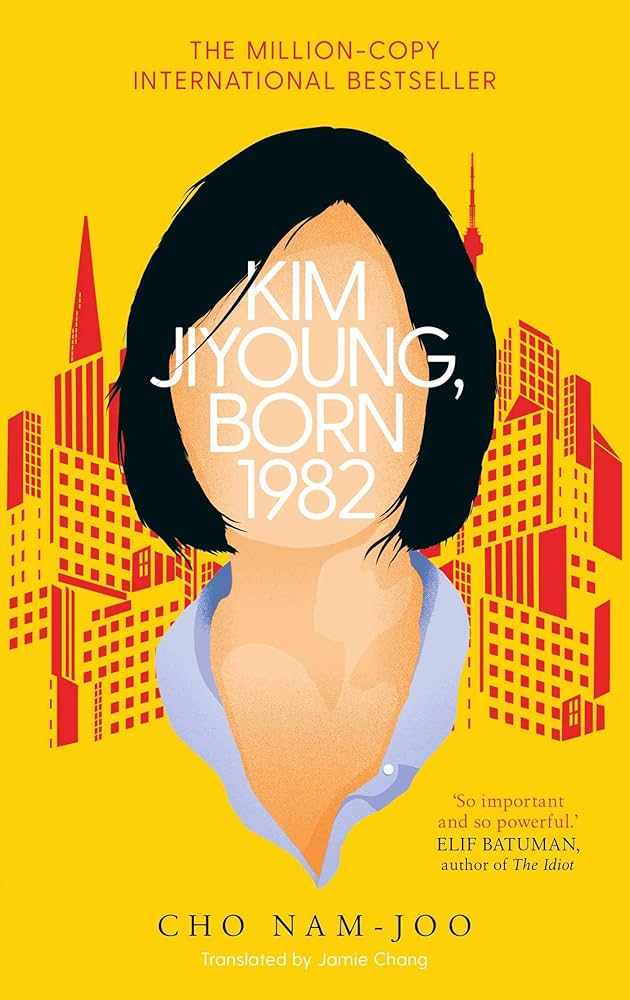
Best for: Readers interested in how expectations surrounding daughters, wives and mothers shape women’s lives.
Not all parental expectations revolve around getting into a prestigious university or pursuing a successful career.
Sometimes, they involve being a good daughter, marrying at the appropriate age and eventually becoming the sort of mother society expects.
In Kim Jiyoung, Born 1982, Cho Nam-joo examines these pressures through the life of an ordinary South Korean woman.
Jiyoung grows up in a society where boys and girls are treated differently, even when the adults around them insist that everyone has equal opportunities.
As she enters adulthood, she encounters further expectations surrounding employment, marriage and motherhood.
What makes the novel particularly unsettling is the way these pressures accumulate.
No single incident necessarily defines Jiyoung’s experience. Instead, countless small decisions and assumptions gradually restrict the possibilities available to her.
Her family is part of that environment, but the novel also makes clear that the problem extends beyond individual parents.
Workplaces, schools and wider social conventions reinforce the same expectations.
It’s a powerful choice for readers who want to explore how parental advice can reflect broader cultural beliefs about what women should be willing to sacrifice.
For a closer discussion, read our review of Kim Jiyoung, Born 1982.
9. Last Tang Standing by Lauren Ho
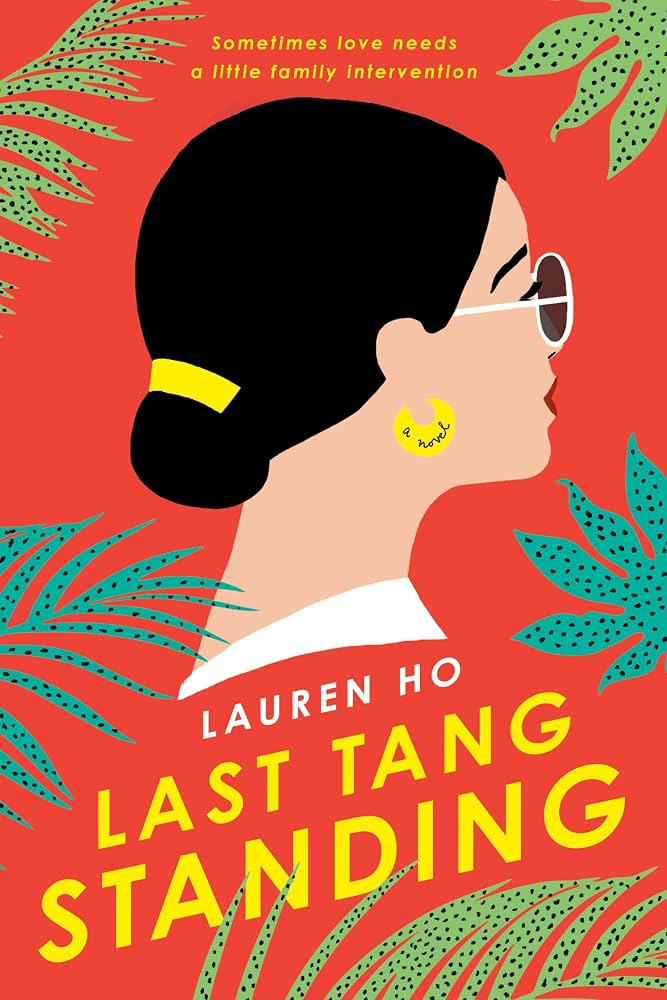
Best for: Readers who want a funny, romantic take on Asian family expectations.
Not every novel about parental pressure needs to be emotionally devastating.
In Last Tang Standing, Lauren Ho takes the familiar experience of being a successful Asian woman whose family remains deeply dissatisfied with her unmarried status and turns it into a witty romantic comedy.
Andrea Tang is thirty-three, has a promising legal career and enjoys a comfortable lifestyle in Singapore.
Unfortunately, her Chinese-Malaysian family is far more concerned about her relationship status than her professional achievements.
From their perspective, Andrea’s career may be impressive, but she is running out of time to find a suitable husband.
Her romantic choices become even more complicated when she encounters two very different potential partners, one of whom appears considerably more acceptable to her family than the other.
What makes the novel entertaining is its recognition that family expectations can be simultaneously loving, intrusive and absurd.
Andrea’s relatives want her to be happy, but they have very specific ideas about what happiness should look like.
The Singaporean setting gives the story additional appeal, particularly for readers familiar with Chinese New Year gatherings where questions about marriage, children and career progression can become an unavoidable part of the festivities.
It’s an excellent choice when you want to read about parental expectations without committing to another emotionally exhausting family saga.
10. The Marriage Clock by Zara Raheem
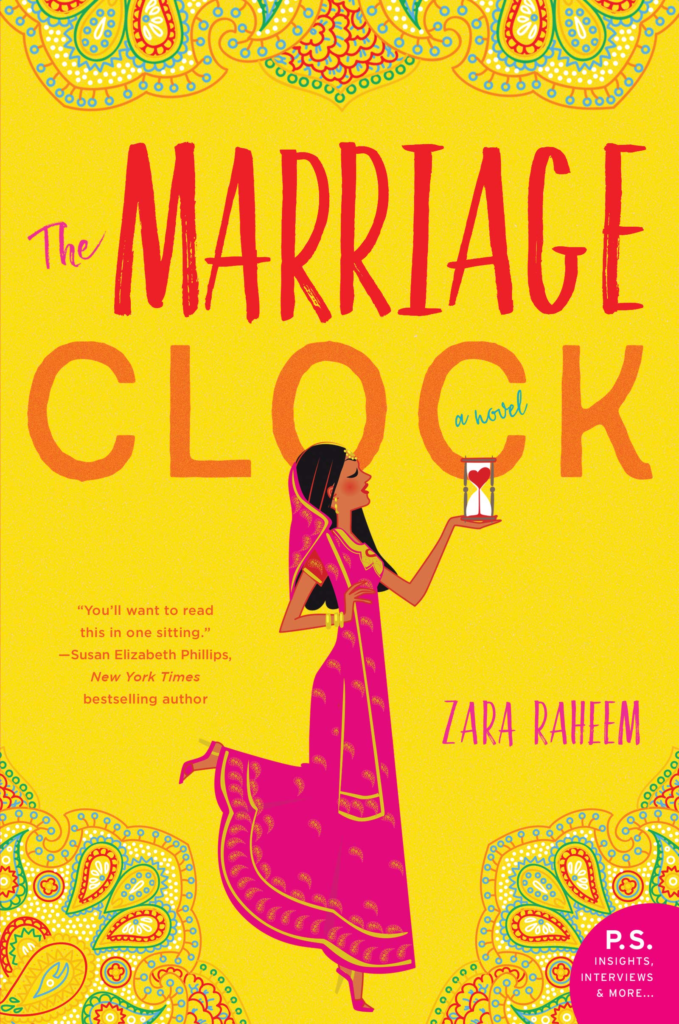
Best for: Readers interested in marriage pressure and the conflict between romantic ideals and family tradition.
In The Marriage Clock, twenty-six-year-old Leila Abid has three months to find a husband.
Her traditional Indian Muslim American parents have decided that she has spent quite enough time waiting for love to happen naturally. If she cannot find someone within the agreed period, they will take responsibility for arranging a suitable match.
Unfortunately, Leila has always imagined a more romantic beginning to her marriage. Influenced by Bollywood love stories, she wants to fall in love before committing to someone, rather than trusting that affection will develop afterwards.
What follows is a series of increasingly uncomfortable dating experiences as she attempts to satisfy her parents without abandoning her own expectations.
The premise is humorous, but it also raises an interesting question about how families define readiness for marriage.
For Leila’s parents, marriage is an important life milestone that should not be postponed indefinitely.
For Leila, choosing a partner is deeply personal, and she resists the idea that finding someone suitable should be treated as a task with a deadline.
The novel is particularly appealing because it allows these competing ideas to coexist within a relatively lighthearted romantic comedy.
Readers looking for a gentler examination of parental pressure may find this more enjoyable than the darker literary novels elsewhere on the list.
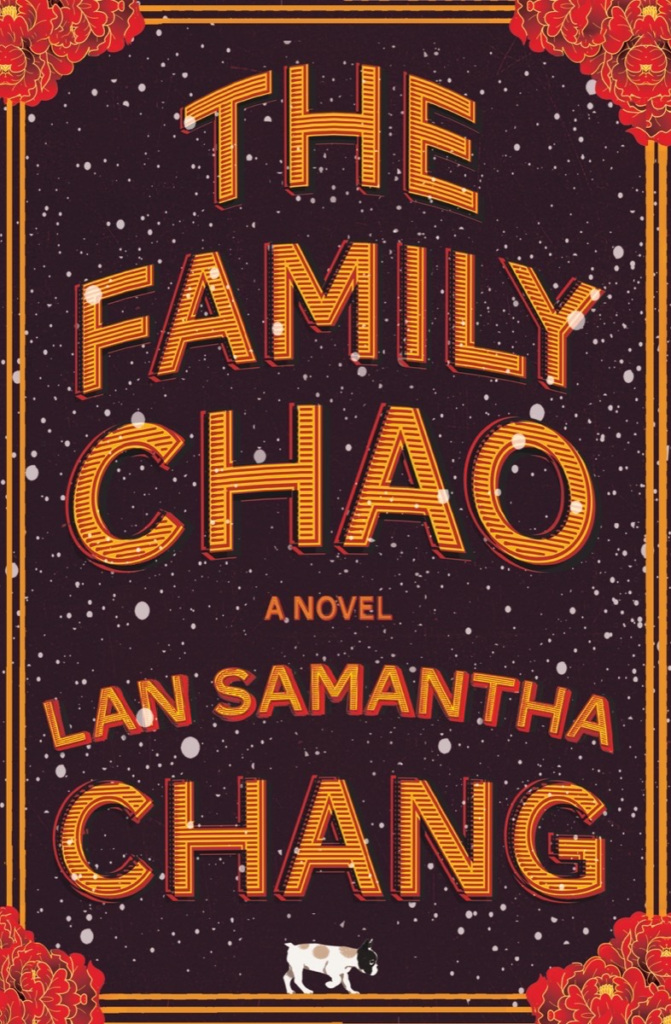
11. The Family Chao by Lan Samantha Chang
\;p
Best for: Readers who enjoy dark family dramas, difficult fathers and psychological suspense.
The pressure of inheriting a family business can be every bit as complicated as expectations surrounding education or marriage.
In The Family Chao, Lan Samantha Chang explores this through the sons of Leo Chao, the domineering owner of a Chinese restaurant in Wisconsin.
The three brothers have developed very different relationships with their father and the business he built.
Dagou has remained closely connected to the restaurant, Ming has pursued success elsewhere, and the youngest, James, is still discovering the complicated history of his family.
When their father is found dead, the family’s long-standing resentments become impossible to ignore.
The novel is partly a murder mystery, but its deeper interest lies in the relationship between parental authority and adult independence.
Leo’s restaurant represents years of immigrant effort and ambition. Yet his sons don’t necessarily share his understanding of what that business means or what they owe him because of it.
The family dynamic raises questions about whether children should be expected to continue their parents’ work, particularly when doing so requires sacrificing their own ambitions.
The novel’s darker humour and suspenseful structure make it a good choice for readers who enjoy family fiction but prefer something with a stronger plot.
12. The Fortunes of Jaded Women by Carolyn Huynh
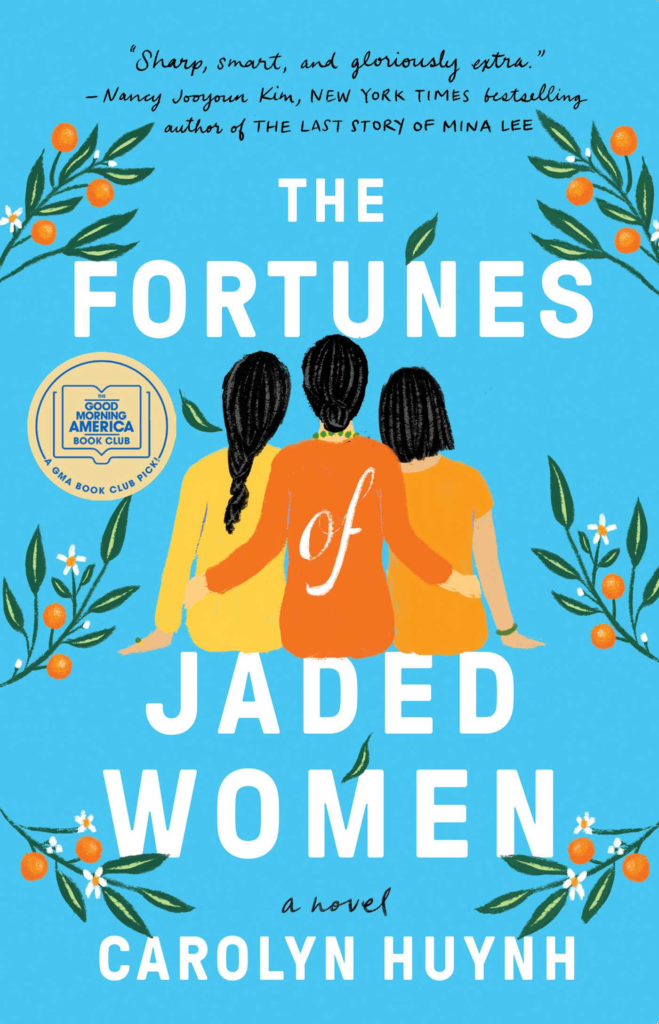
Best for: Readers who enjoy chaotic family relationships, meddling mothers and stories with plenty of humour.
The women of the Duong family have been told that their family is cursed. According to legend, an ancestor’s decision to leave her marriage for love resulted in a supernatural punishment affecting generations of women.
In contemporary Southern California, the family’s descendants continue navigating romantic disappointment, difficult relationships and the considerable expectations of their relatives.
At the centre is Mai Nguyen, a Vietnamese American mother who is thoroughly unimpressed by her daughters’ love lives.
They may have successful careers, but that doesn’t stop Mai from worrying about their futures and interfering in their decisions.
When a psychic predicts a marriage, a funeral and the birth of a son, the family’s already complicated relationships become even more chaotic.
What makes Carolyn Huynh’s novel appealing is its willingness to portray Asian mothers and daughters as funny, unreasonable, loving and occasionally spectacularly misguided.
The women argue, hold grudges, make questionable decisions and struggle to understand one another, but their relationships remain deeply interconnected.
It’s a welcome alternative to family novels where conflict is presented almost exclusively through tragedy.
Here, parental expectations can be ridiculous, exhausting and occasionally hilarious, without losing their emotional significance.
13. Unmarriageable by Soniah Kamal
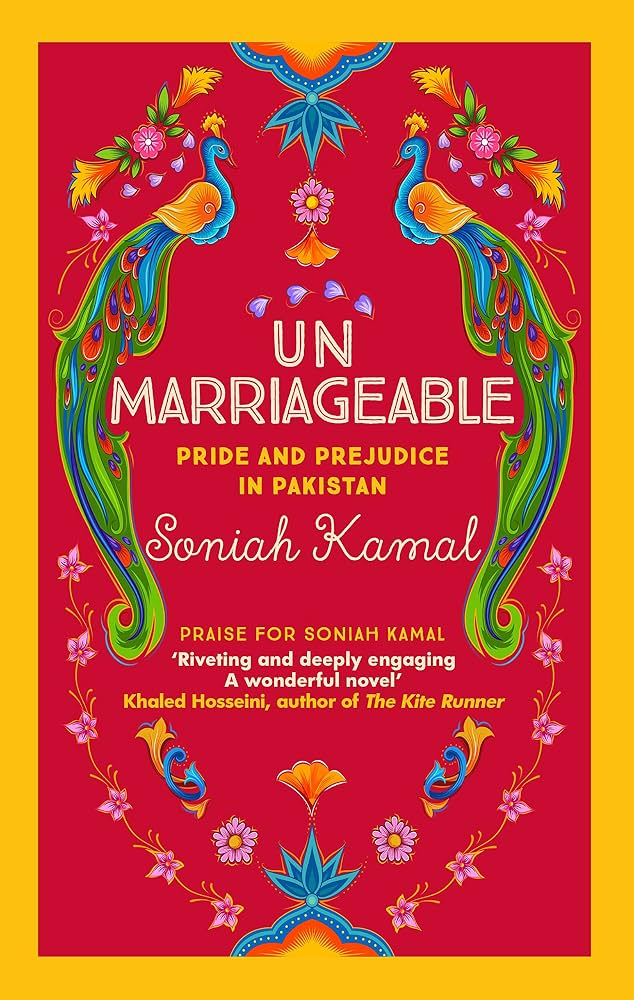
Best for: Readers who enjoy Jane Austen, romantic comedy and stories about women resisting marriage expectations.
Soniah Kamal’s Unmarriageable reimagines Pride and Prejudice in contemporary Pakistan, where marriage remains an important concern for the Binat family.
Alys Binat is an English literature teacher who is far more interested in books and personal independence than finding a wealthy husband.
Her mother, however, has other ideas. With five daughters to consider and family finances creating additional pressure, marriage is treated as a practical necessity rather than simply a romantic choice.
As the sisters navigate social expectations, family disagreements and potential suitors, the novel examines how wealth and reputation influence ideas about suitable marriages.
What makes this retelling interesting is the way Austen’s familiar themes fit within a different cultural setting.
Questions about class, social status and women’s limited options remain relevant, even though the circumstances have changed considerably since nineteenth-century England.
The novel also offers plenty of humour, particularly when family members become overly concerned with appearances and the opinions of other people.
It’s an appealing choice for readers who prefer stories about parental expectations to have wit, romance and a greater sense of fun.
14. Pachinko by Min Jin Lee
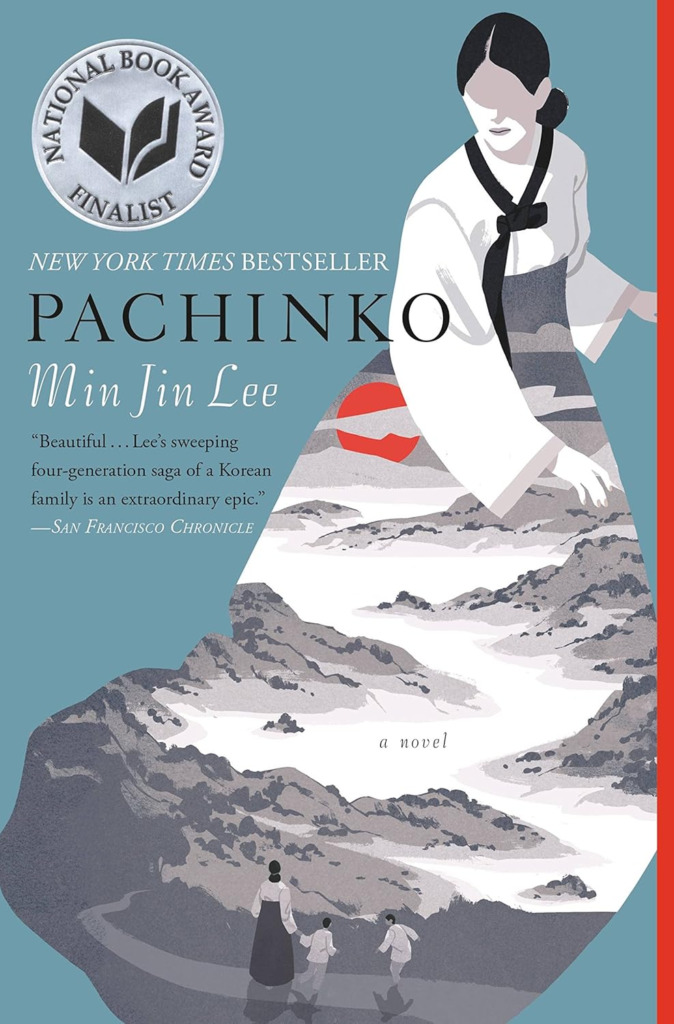
Best for: Readers who enjoy multigenerational family sagas about sacrifice, duty and the desire to give children a better future.
Although Pachinko is not exclusively about parental expectations, it offers one of the most moving examinations of intergenerational sacrifice in Asian fiction.
Beginning in Korea during the early twentieth century, the novel follows Sunja and her descendants as they build their lives in Japan.
Each generation faces different challenges, from poverty and discrimination to questions of cultural identity and social acceptance.
Education, employment and family reputation become deeply connected to the possibility of escaping hardship.
What makes the novel relevant to this guide is its examination of how one generation’s sacrifices influence the next.
Parents work to give their children opportunities they never enjoyed, but those opportunities also create new expectations.
A child may grow up with greater financial security and educational possibilities, yet still feel responsible for justifying everything their family has endured.
Min Jin Lee is particularly effective at illustrating how these obligations can persist across generations, even when the circumstances that originally created them have changed.
Unlike novels that concentrate on one difficult parent-child relationship, Pachinko explores how expectations become part of a family’s history.
It’s an excellent choice for readers who want to understand parental pressure within the broader context of migration, economic insecurity and the long struggle for social acceptance.
Why Do Parental Expectations Feature So Prominently in Asian Family Fiction?
One reason this subject appears so frequently in Asian and Asian diaspora fiction is its connection to social mobility.
For families that have experienced poverty, political instability or migration, education and professional achievement can represent something much more significant than personal ambition.
A prestigious university, stable career or financially secure marriage may offer protection against hardships that earlier generations experienced firsthand.
Parents who place enormous emphasis on these achievements are therefore not always concerned primarily with social status. They may genuinely believe that following a particular path is the best way to protect their children.
But there is an important difference between wanting children to have opportunities and expecting them to pursue one narrowly defined version of success.
This tension becomes particularly visible in immigrant families.
Parents may have grown up in societies where personal choices were heavily influenced by financial necessity, family reputation or cultural tradition. Their children, raised in different circumstances, may place greater emphasis on independence and personal fulfilment.
Neither perspective is necessarily unreasonable, but the differences can make communication difficult.
It’s also important not to treat Asian families as a single cultural category. The expectations experienced by a Korean student in Seoul, a Singaporean professional or an Indian American daughter navigating marriage traditions emerge from different histories and social circumstances.
The novels on this list are valuable precisely because they reveal those differences rather than reducing every conflict to a familiar stereotype about strict parents.
When Does Parental Guidance Become Unhealthy Pressure?
One of the recurring questions in these novels is how to distinguish reasonable parental concern from expectations that undermine a child’s independence.
There is nothing inherently wrong with encouraging children to study hard, pursue financial stability or think carefully about important life decisions.
The difficulty arises when love and approval become too closely tied to achieving particular outcomes.
In Everything I Never Told You, Lydia becomes burdened by ambitions her parents have never fully recognised as their own.
In Chemistry, the narrator struggles to separate her academic achievements from her family’s understanding of success.
And in The Original Daughter, academic performance becomes closely connected to identity and the possibility of social mobility.
These novels examine different circumstances, but they share an important concern: children can become so accustomed to pursuing their parents’ expectations that they struggle to identify what they actually want.
The consequences don’t always involve dramatic rebellion or complete estrangement.
Sometimes, the result is simply a persistent feeling of inadequacy, even when someone has achieved more than enough to be considered successful.
Which Novel Should You Start With?
If you want the most direct examination of parental pressure, start with Everything I Never Told You. The consequences of unspoken expectations form the emotional centre of the story, and the novel is relatively accessible despite its difficult subject matter.
For a broader perspective on mother-daughter relationships, The Joy Luck Club is an excellent choice. Its interconnected narratives give readers a better understanding of why parents and children can interpret the same experiences so differently.
If academic pressure is your main interest, choose Chemistry, The Original Daughter or American Hagwon.
Readers who prefer emotionally rich family sagas should consider A Place for Us or Pachinko, while those looking for something lighter may enjoy Last Tang Standing, The Marriage Clock or Unmarriageable.
For a darker, more suspenseful family story, The Family Chao offers a considerably different reading experience.
Frequently Asked Questions
What are the best books about strict Asian parents?
Everything I Never Told You by Celeste Ng, The Joy Luck Club by Amy Tan and Chemistry by Weike Wang are particularly strong choices. Each explores how parental expectations can influence a child’s identity, ambitions and emotional wellbeing, although the parents’ motivations and family circumstances differ significantly.
What novels explore academic pressure in Asian families?
Chemistry by Weike Wang, The Original Daughter by Jemimah Wei and American Hagwon by Min Jin Lee all examine academic achievement and family expectations. They are especially relevant to readers interested in educational competition, professional ambition and the pressure to repay parental sacrifice through success.
What are the best Asian novels about mother-daughter relationships?
The Joy Luck Club, Everything I Never Told You, Kim Jiyoung, Born 1982 and The Fortunes of Jaded Women offer different perspectives on mother-daughter relationships. Some are emotionally demanding literary novels, while others approach family conflict with considerably more humour.
Are there novels about Asian parents pressuring their children to marry?
Yes. Last Tang Standing by Lauren Ho, The Marriage Clock by Zara Raheem and Unmarriageable by Soniah Kamal all examine marriage expectations within Asian families. These are good choices for readers who prefer romantic comedy and social satire to emotionally intense literary fiction.
Which novels about Asian family expectations are set in Singapore?
The Original Daughter by Jemimah Wei and Last Tang Standing by Lauren Ho are particularly relevant. The former examines academic ambition and family relationships in Singapore, while the latter explores marriage pressure and professional success through a contemporary romantic comedy.
Which books about Asian parental expectations are more lighthearted?
Last Tang Standing, The Marriage Clock and Unmarriageable are the most approachable options for readers seeking humour and romance. The Fortunes of Jaded Women is another entertaining choice, although its family conflicts can be emotionally complicated.
Are these novels all translated from Asian languages?
No. This guide includes English-language novels by Asian and Asian diaspora authors alongside translated fiction such as Kim Jiyoung, Born 1982. The books are grouped by their exploration of family expectations rather than their original language.
Final Thoughts
What I find most interesting about novels exploring parental expectations is how rarely the conflicts are caused by a complete absence of love.
More often, the problem is that parents and children understand love differently.
A parent may believe that encouraging a prestigious career is an act of protection, while their child experiences the same advice as a refusal to accept who they are.
A mother might insist that her daughter marry someone financially secure because she remembers how difficult life can be without money. Her daughter, meanwhile, may interpret that concern as a lack of faith in her ability to make her own decisions.
Neither person necessarily intends to hurt the other, yet the emotional consequences can last for years.
As a parent, I think these stories are particularly interesting because they invite us to consider the expectations we might eventually place upon our own children. It’s easy to assume that we will be more understanding or open-minded than previous generations, but every parent has ambitions, anxieties and ideas about what a good future should look like.
The challenge is recognising when those hopes begin to compete with the lives our children want for themselves.
The best books on this list don’t offer simple answers. Instead, they remind us that family relationships are complicated, that love doesn’t always translate into understanding, and that children shouldn’t have to spend their entire lives proving that their parents’ sacrifices were worthwhile.
Leave a Reply