There’s something quietly significant about the fact that books are now part of the SG Culture Pass. For years, SingLit sat slightly at the edges of mainstream reading habits—admired, discussed in literary circles, but not always picked up casually. Now, with $100 worth of credits nudging readers toward local voices, the question shifts from “Should I try SingLit?” to something far more practical: Which books are actually worth buying?
The answer, thankfully, isn’t difficult to find. Across curated lists, bookstore recommendations, and critical reviews, a handful of titles consistently surface—not just as “good Singapore books,” but as genuinely compelling works in their own right.
With around 1,500 eligible SingLit titles available across genres and languages, it can feel overwhelming. This guide cuts through that noise, focusing on the books that readers and critics alike have rated highly—books that feel worth spending your Culture Pass credits on.
Why Buying Books with SG Culture Pass Matters
Before diving into recommendations, it’s worth understanding why this initiative matters.
The SG Culture Pass isn’t just about consumption—it’s about participation. By allowing Singaporeans to purchase SingLit books, the scheme is actively trying to grow readership for local authors and strengthen the literary ecosystem. That matters more than it sounds. Surveys have shown that relatively few Singaporeans regularly read SingLit, despite a thriving writing scene.
And unlike digital purchases or abstract support, buying a physical book from a local bookstore creates a direct chain of support—for the author, the publisher, and the bookstore itself.
So when you choose a book here, you’re not just picking something to read. You’re shaping what gets read next.
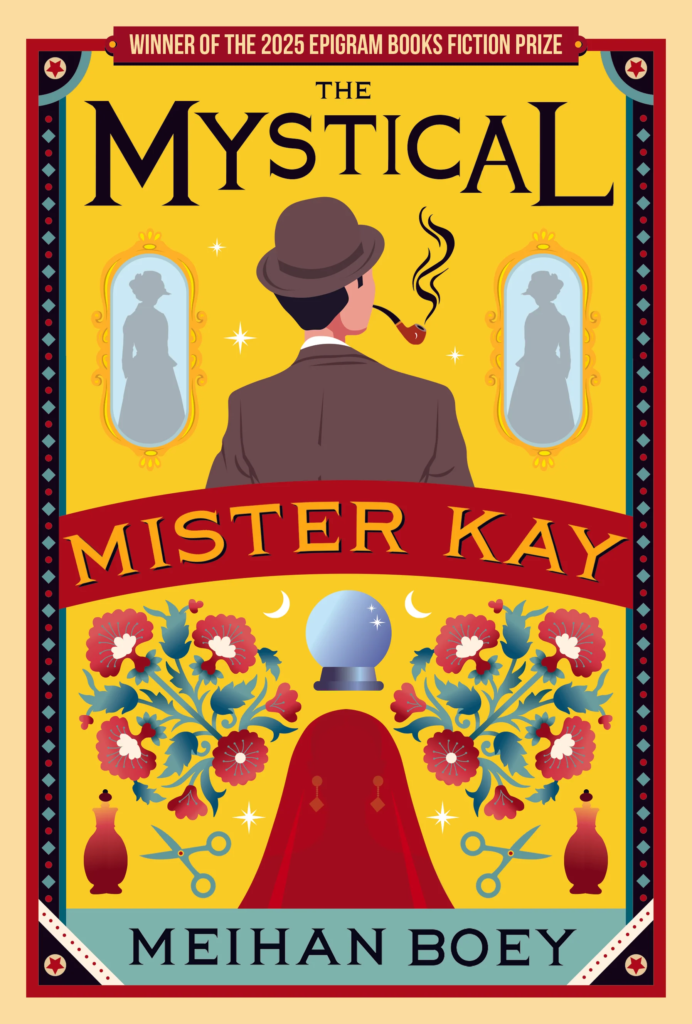
1. The Mystical Mister Kay by Meihan Boey
Best for: Readers who want an engaging, genre-bending story
If you’re new to SingLit and want something immediately gripping, The Mystical Mister Kay is one of the safest—and most rewarding—places to start.
Consistently highlighted in curated lists of top SG Culture Pass picks, the book blends supernatural mystery with historical intrigue. It follows a protagonist navigating a case tied to Southeast Asian folklore, but what makes it stand out isn’t just the plot. It’s the tone—playful, atmospheric, and refreshingly accessible.
Critics and readers often describe it as a “gateway” SingLit book, and I understand why. It doesn’t feel like a “serious literary work” in the intimidating sense. It feels like a story you actually want to keep reading.
If your concern is whether SingLit can be entertaining, this book answers that question quickly.
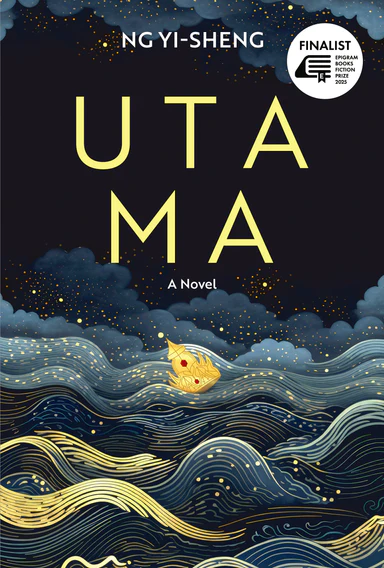
2. Utama by Ng Yi-Sheng
Best for: Readers interested in Singapore history with a twist
Historical fiction in Singapore can sometimes feel limited by its scope—there’s a tendency to circle familiar colonial narratives. Utama breaks away from that by going further back, into the pre-colonial world.
The novel reimagines the legend of Sang Nila Utama, the mythical founder of Singapore, and turns it into something layered, complex, and surprisingly contemporary in its themes. It’s ambitious without being inaccessible.
What I appreciated most is how it treats history—not as something fixed, but as something shaped by storytelling itself. There’s a confidence to the writing that feels rare.
This is one of those books that tends to show up on “must-read” lists for a reason. It doesn’t just retell history—it questions it.
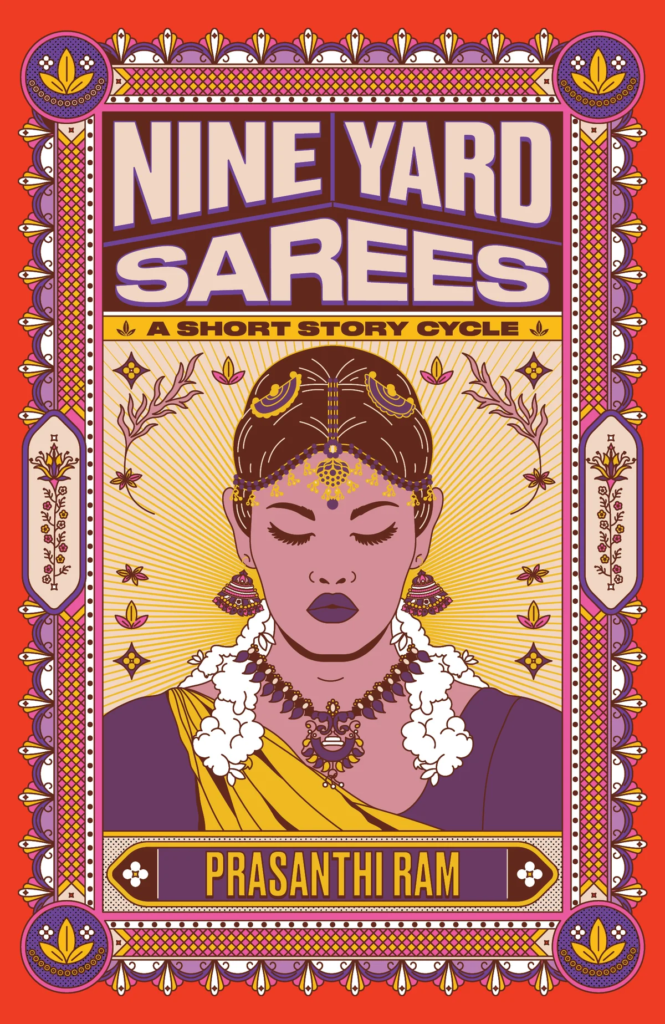
3. Nine Yard Sarees by Prasanthi Ram
Best for: Readers who want emotional depth and literary quality
Winner of the Singapore Literature Prize, Nine Yard Sarees is often described as a short story collection—but that label undersells it.
The book follows multiple generations of a Tamil Brahmin family across different countries and time periods. Each story stands on its own, yet together they form something closer to a novel in fragments.
What stood out to me is its emotional precision. The writing is controlled, almost quiet, but it carries weight. It doesn’t try to impress—it simply unfolds, and in doing so, reveals a surprising depth.
If you’re someone who reads for language, for nuance, for the subtle shifts in relationships, this is one of the strongest titles you can pick up with your SG Culture Pass.
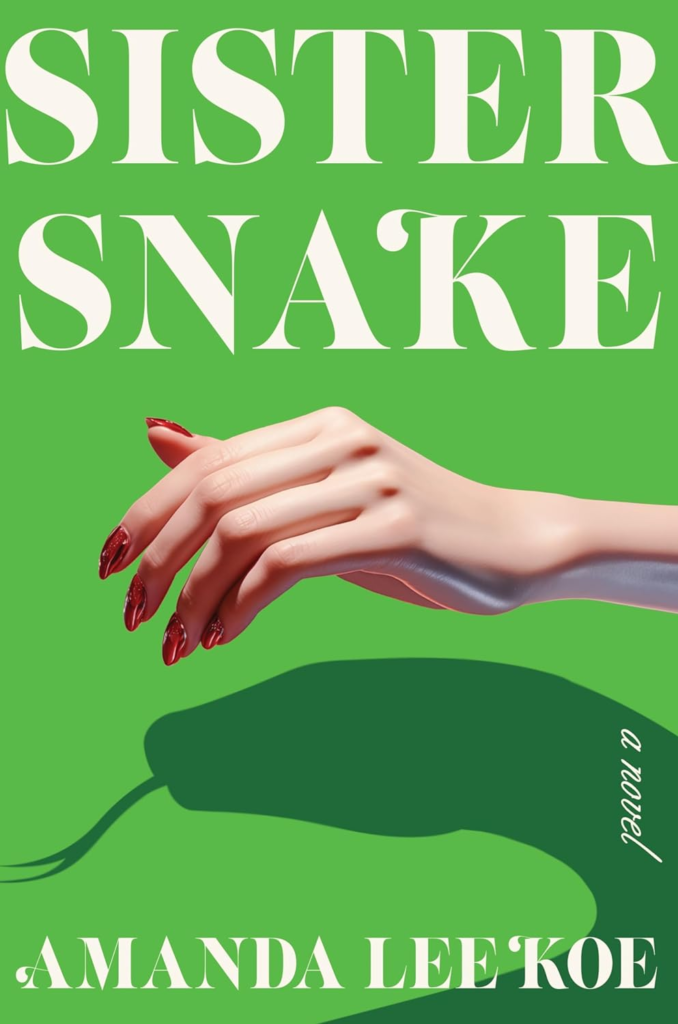
4. Sister Snake by Amanda Lee Koe
Best for: Readers who enjoy bold, imaginative storytelling
Amanda Lee Koe has always written with a certain fearlessness, and Sister Snake continues that trajectory.
Drawing on the Chinese legend of the White Snake, the novel spans centuries and continents, blending mythology with modern identity questions. It’s imaginative, slightly strange in places, and unapologetically ambitious.
Not every reader will connect with it immediately. It requires a bit of openness. But that’s also what makes it memorable.
If you’ve ever felt that Singapore literature leans too safe or grounded, this book pushes in the opposite direction—and does so convincingly.
5. A Bit of Earth by Suchen Christine Lim
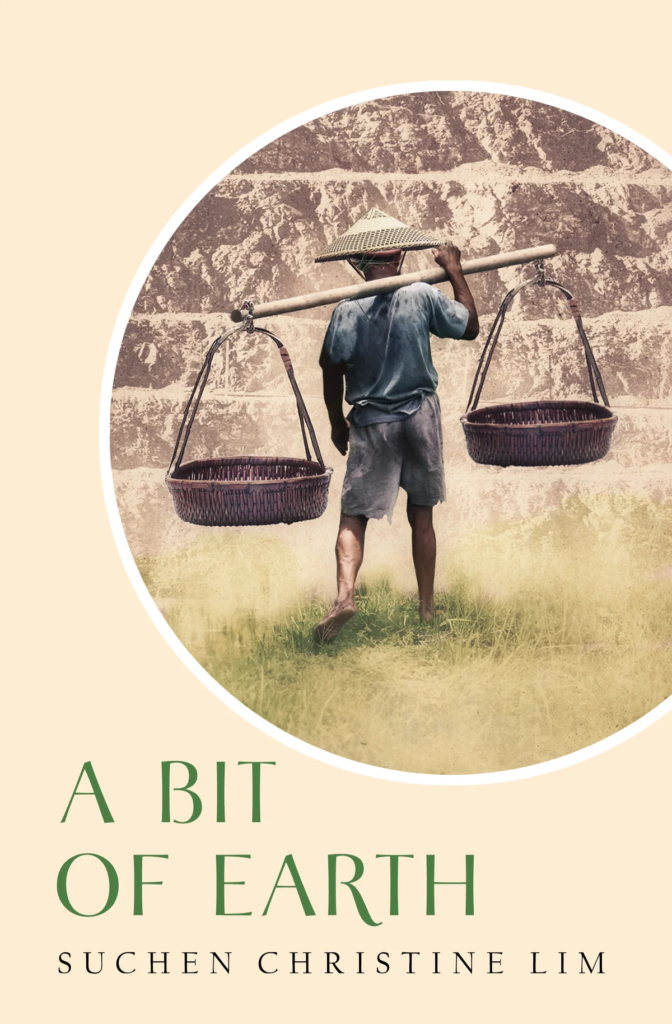
Best for: Readers interested in Singapore’s historical roots
This is one of those quieter classics that continues to surface in recommendation lists, and for good reason.
A Bit of Earth looks at early immigrant experiences in Malaya and Singapore, focusing on themes of displacement, belonging, and survival. It doesn’t rely on dramatic storytelling. Instead, it builds its impact gradually.
I found this to be one of the more reflective reads on the list. It doesn’t rush you. It invites you to sit with its characters and their circumstances.
For readers interested in the deeper historical layers of Singapore, this is a meaningful place to spend your Culture Pass credits.
6. The Paper Bark Tree Mystery by Ovidia Yu
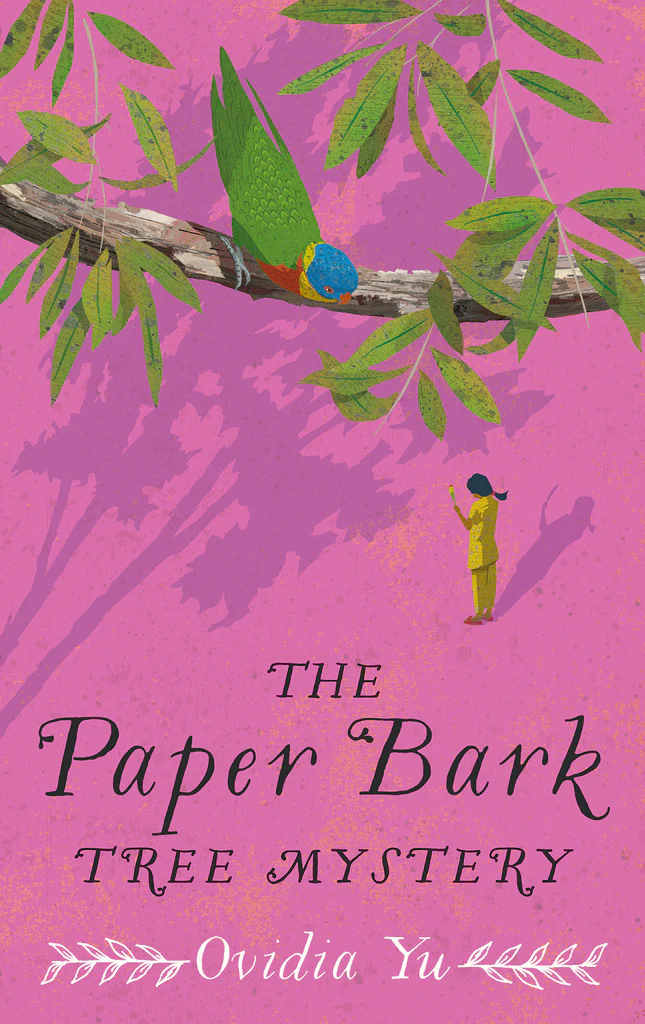
Best for: Readers who want a lighter, crime-driven narrative
If your reading preferences lean toward crime fiction, The Paper Bark Tree Mystery offers a refreshing local take on the genre.
Set in 1930s Singapore, it combines a detective-style plot with historical detail, creating something that feels both familiar and distinct. It’s engaging without being overly complex—a book you can comfortably read over a weekend.
What I appreciate here is how accessible it is. Not every SingLit book needs to be introspective or heavy. Sometimes, you just want a good story. This delivers that.
7. The Goddess in the Living Room by Latha
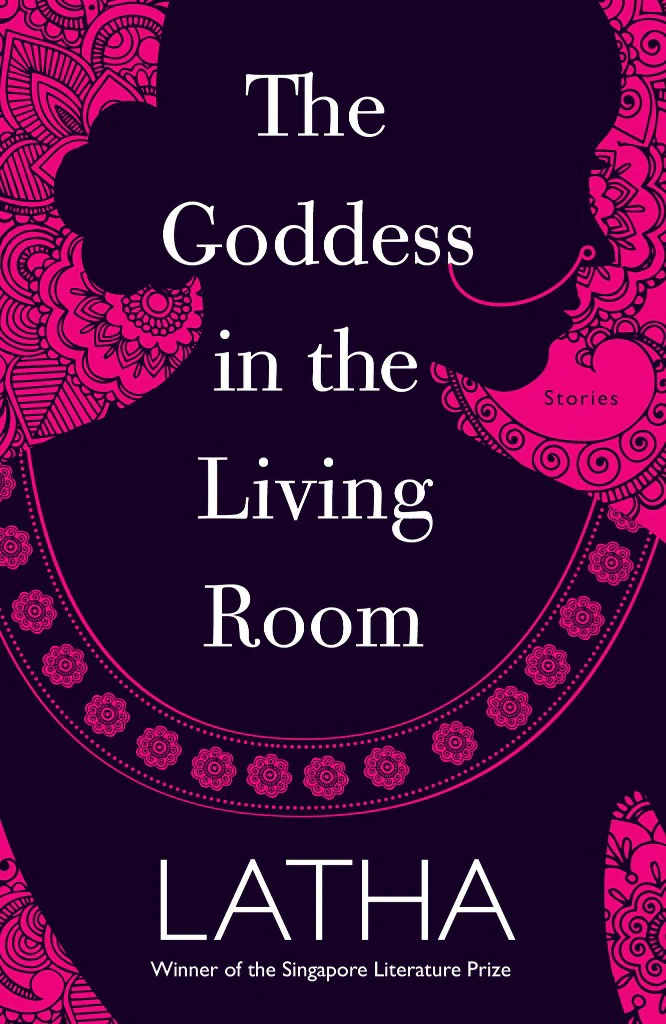
Best for: Readers interested in contemporary social issues
This is a more introspective, socially aware collection that explores the lives of Tamil women across generations.
The writing leans toward realism, with a focus on everyday experiences shaped by cultural expectations and societal pressures. It’s not always an easy read, but it is a necessary one.
Books like this remind you that SingLit isn’t just about heritage or nostalgia—it’s also about documenting present realities.
8. Pantun Baba Chan by Chan Eng Thai
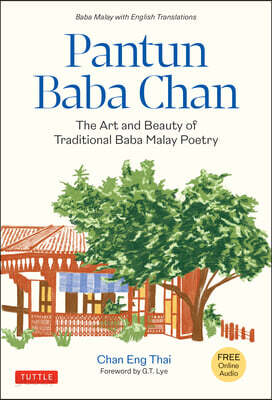
Best for: Readers interested in Peranakan culture and poetry
This is a slightly different recommendation, but an important one.
Pantun Baba Chan showcases traditional Peranakan poetic forms, offering a glimpse into a cultural tradition that is both rich and increasingly rare.
It’s not a conventional “sit-down-and-finish” book. It’s something you return to, piece by piece.
If you’re using your SG Culture Pass as a way to explore heritage more deeply, this is a meaningful addition to your shelf.
9. They Told Us To Move by Ng Kok Hoe
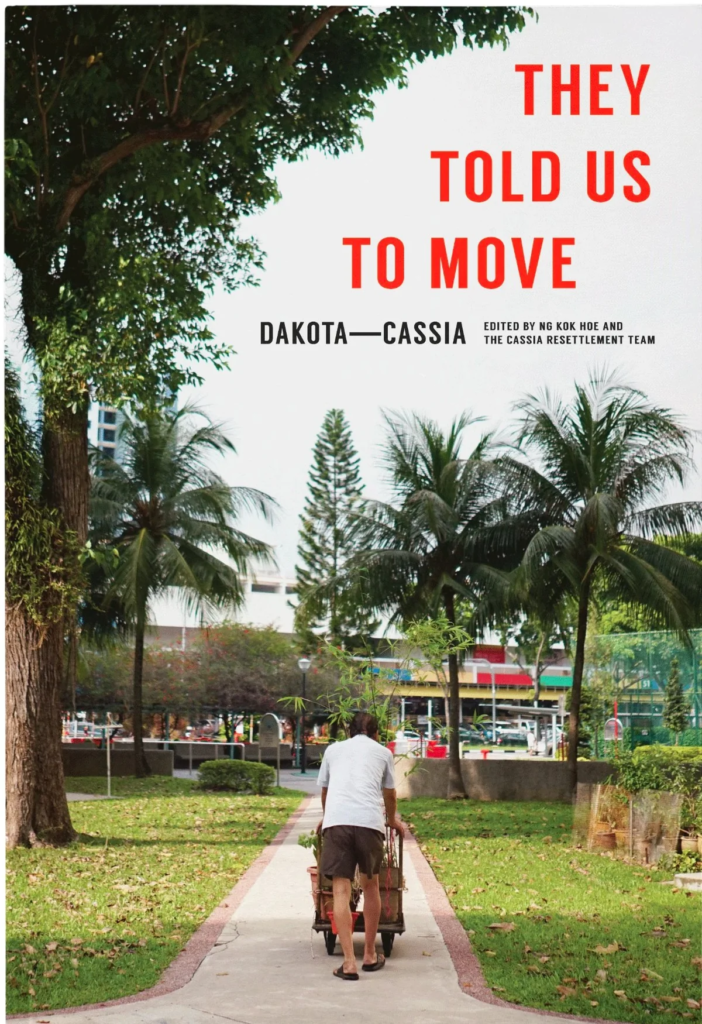
Best for: Readers interested in social policy and real-life narratives
This book stands out for its focus on housing and inequality in Singapore—topics that are often discussed but less frequently explored through narrative.
It blends research with storytelling, offering a perspective that feels both analytical and deeply human.
For readers who want something grounded in real-world issues, this is one of the more thought-provoking options available.
Final Thoughts
What makes the SG Culture Pass especially interesting is that it lowers the barrier to discovery. Books you might have hesitated to buy suddenly feel accessible. That changes reading behaviour in subtle ways.
The titles above aren’t just “good SingLit books.” They’re books that readers and critics consistently return to—books that hold up beyond their local context.
So, what are the best books to buy with your SG Culture Pass?
The honest answer is this: start with one that feels closest to your reading habits, then let curiosity take over. The real value of the Culture Pass isn’t just in what you buy—it’s in what you discover after.
Leave a Reply