THE LIBRARY
Author: Editor
For every kind of reader, and every kind of reading mood.
EXPLORE THE COLLECTIONNEWEST FIRST
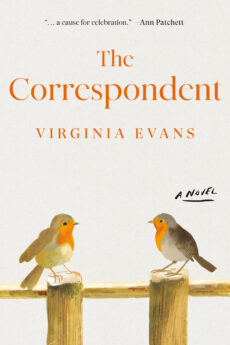
By Virginia Evans
There is something rather intimate about reading someone else’s letters. Unlike conversations, which disappear almost as soon as they’re spoken, letters leave…
Read review ↗
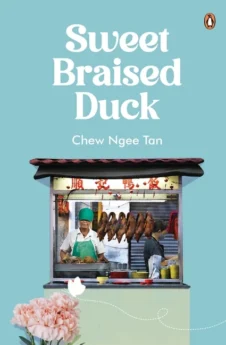
By Chew Ngee Tan
Our review explores Chew Ngee Tan's Singaporean novel about Teochew hawker culture, immigration, family sacrifice and resilience.
Read review ↗

By Canwen Xu
Our Boring Asian Female review explores Canwen Xu's dark psychological thriller about Harvard rejection, Asian stereotypes, obsession and ambition.
Read review ↗
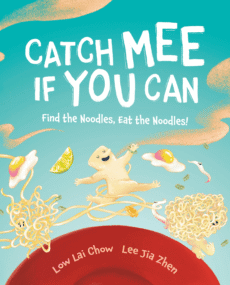
Singapore children's books for babies and toddlers, from local board books to stories about food, transport and familiar Singapore landmarks.
Read review ↗
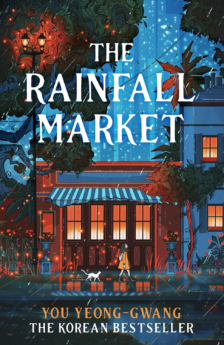
Our best Korean healing fiction books, from cosy bookshops to magical laundries. Heartwarming Korean novels for your next comforting read.
Read review ↗
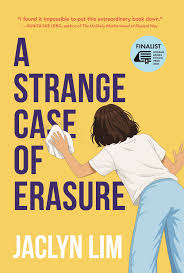
By Jaclyn Lim
Our A Strange Case of Erasure review explores Jaclyn Lim's surreal Singaporean novel about motherhood, invisible labour and losing your identity.
Read review ↗
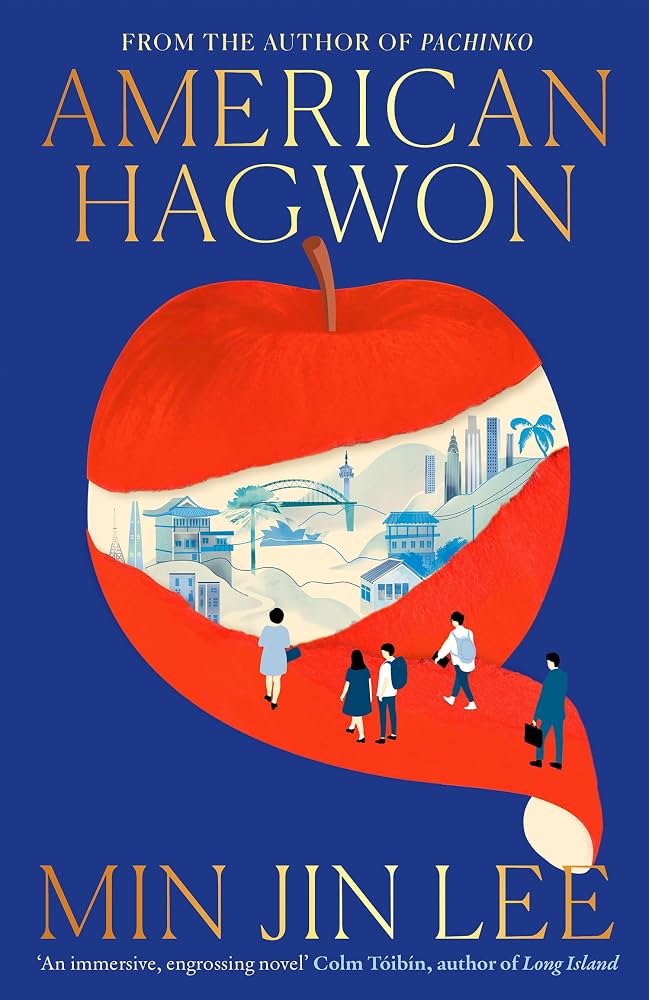
By Min Jin Lee
Our review explores Min Jin Lee's sweeping new family saga about Korean immigrants, education, parental sacrifice and the pursuit of success.
Read review ↗
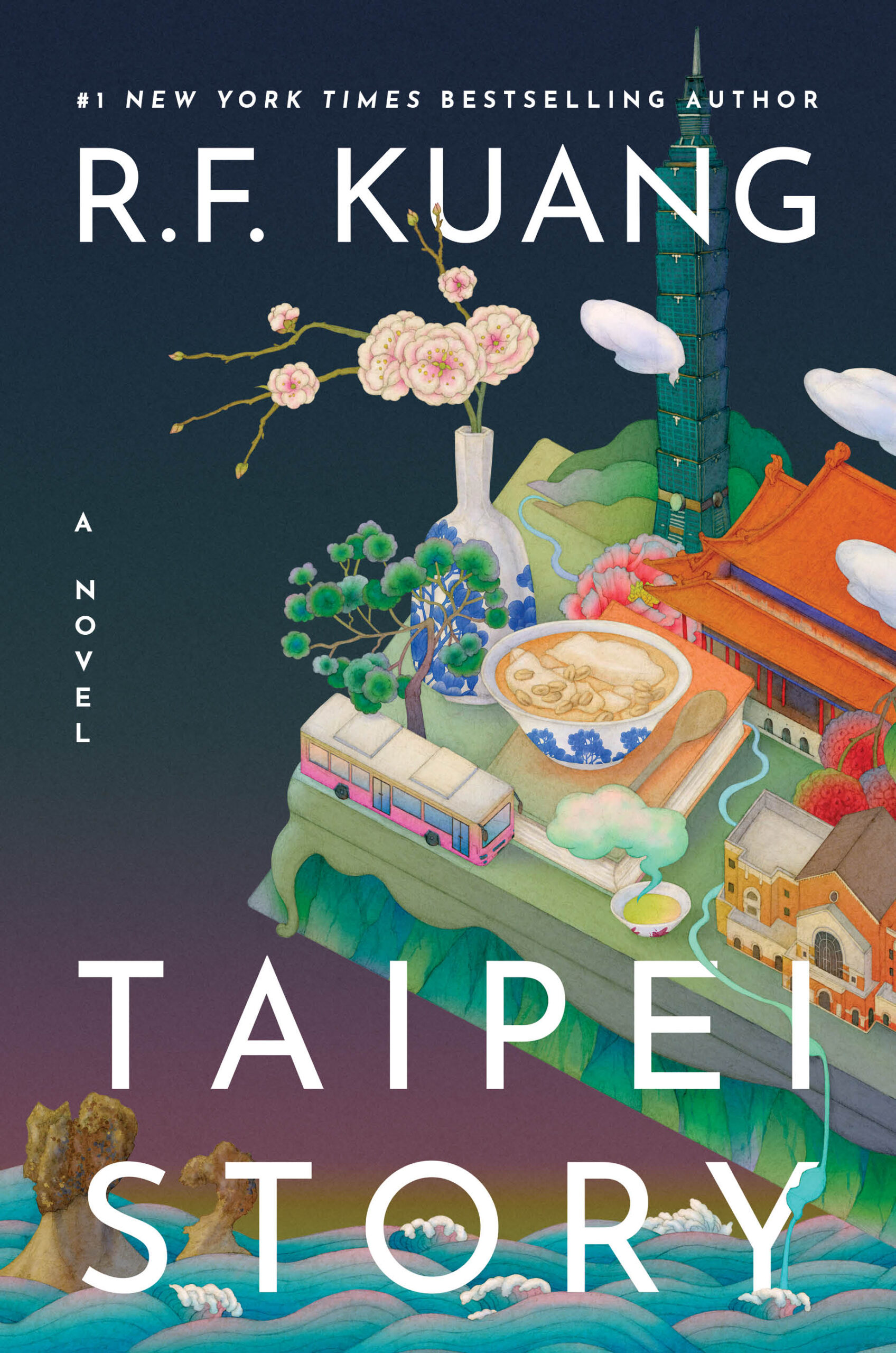
By R.F. Kuang
Our Taipei Story review explores R.F. Kuang's 2026 novel about language, grief, cultural identity and one unforgettable summer in Taiwan.
Read review ↗
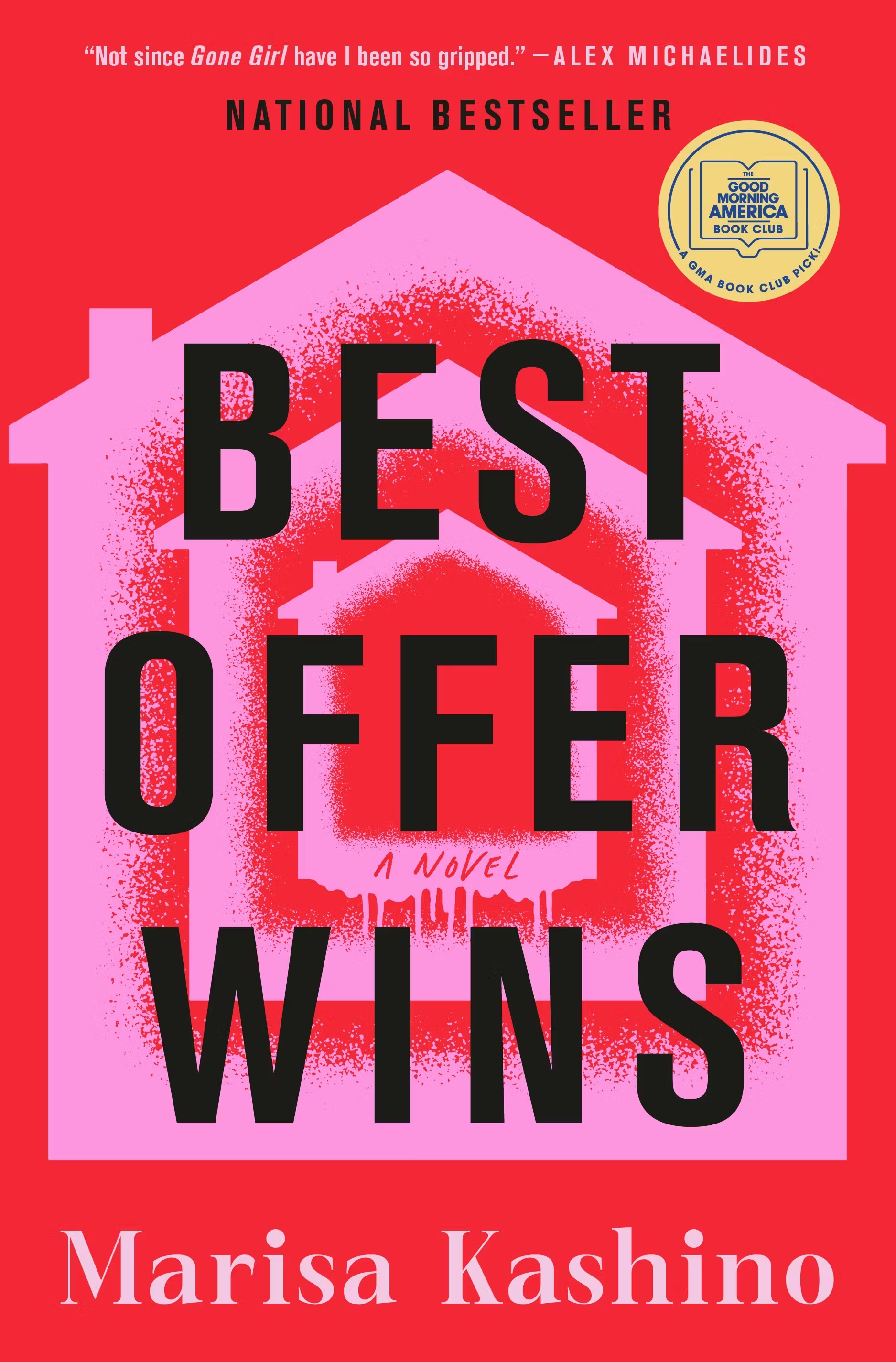
By Marisa Kashino
It’s sharp, compulsively readable, deeply stressful in a good way, and unexpectedly emotionally perceptive beneath its chaotic surface.
Read review ↗
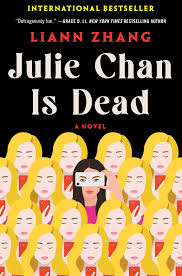
By Liann Zhang
Beneath the murder mystery and social media commentary is a novel deeply interested in visibility and desirability.
Read review ↗