Over the past decade, Korean literature has become one of the most exciting areas of translated fiction. While Korean dramas, films, and music have gained international recognition, Korean novels have undergone a similar transformation. Readers who first arrived through K-dramas often discover that contemporary Korean fiction offers the same emotional depth, social commentary, and unforgettable characters that make Korean storytelling so compelling.
What makes Korean fiction particularly rewarding is its range. Some novels explore family expectations and societal pressures. Others delve into history, identity, loneliness, mental health, or the rapid changes that have shaped modern South Korea. Many combine deeply personal stories with larger cultural questions, creating books that feel both intimate and universal.
If you’re looking to explore Korean literature for the first time or expand beyond the most famous titles, these are some of the best Korean fiction books available in English translation.
1. Kim Jiyoung, Born 1982 by Cho Nam-joo
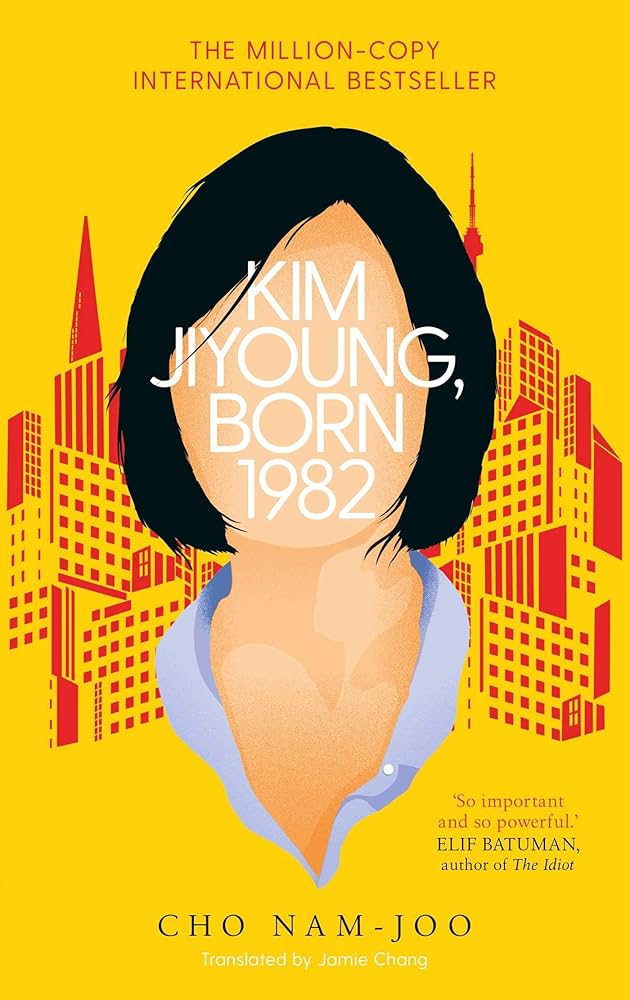
No discussion of modern Korean literature can begin anywhere else.
Originally published in South Korea in 2016, Kim Jiyoung, Born 1982 became a cultural phenomenon and sparked widespread debate about gender inequality. The novel follows Kim Jiyoung, an ordinary woman whose life reflects the experiences of countless Korean women navigating workplace discrimination, societal expectations, and family responsibilities.
The book’s power lies in its simplicity. Rather than presenting extraordinary circumstances, Cho Nam-joo focuses on the small, everyday moments that gradually shape a woman’s life.
Short, accessible, and devastatingly effective, this remains one of the most important Korean novels of the twenty-first century.
2. The Vegetarian by Han Kang
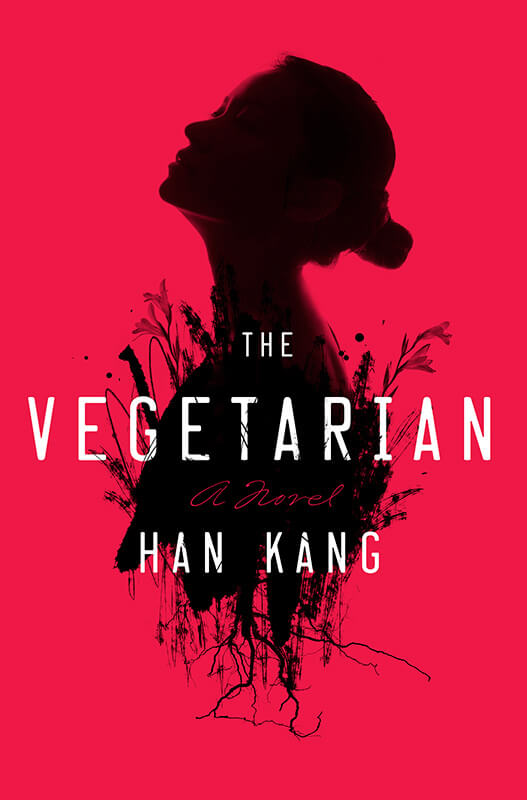
When people ask which Korean novel achieved true global literary recognition, the answer is usually The Vegetarian.
The novel tells the story of Yeong-hye, a seemingly ordinary woman who suddenly decides to stop eating meat after experiencing disturbing dreams. What follows is a haunting exploration of autonomy, violence, desire, and societal control.
Rather than functioning as a straightforward narrative, the novel unfolds through the perspectives of people around Yeong-hye, creating an unsettling sense of distance that adds to its emotional impact.
The book’s atmospheric writing and psychological depth helped establish Han Kang as one of Korea’s most celebrated literary voices.
3. Human Acts by Han Kang
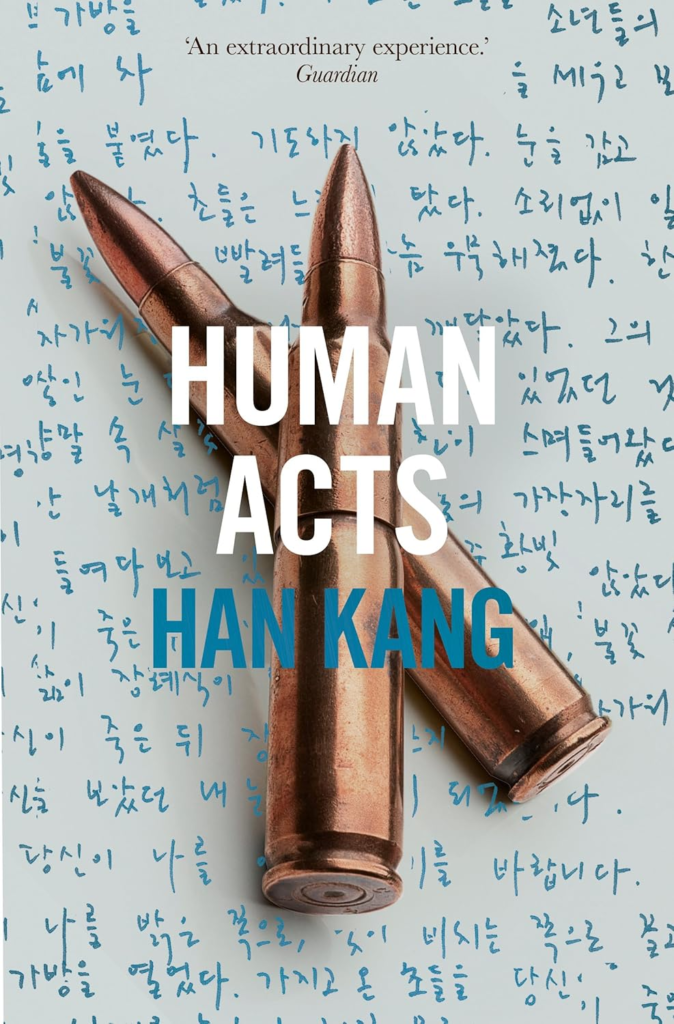
While The Vegetarian introduced many readers to Han Kang, Human Acts may be her masterpiece.
Inspired by the 1980 Gwangju Uprising, the novel examines the aftermath of political violence through multiple interconnected perspectives. The result is a deeply moving reflection on memory, grief, trauma, and human resilience.
Although the subject matter is difficult, the novel never feels exploitative. Instead, Han Kang approaches tragedy with remarkable compassion and humanity.
This is not an easy read, but it is an unforgettable one.
4. Pachinko by Min Jin Lee
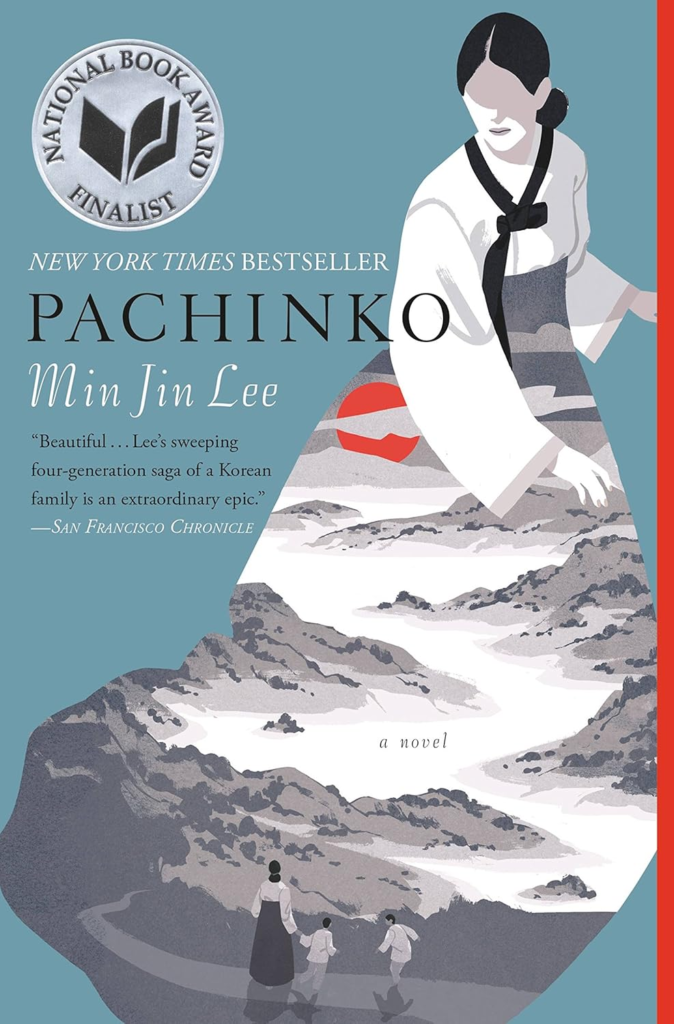
Although written in English by a Korean American author, Pachinko deserves a place on any list of essential Korean fiction.
Spanning multiple generations, the novel follows a Korean family living in Japan from the early twentieth century onwards. Through their struggles, sacrifices, and triumphs, the book explores identity, discrimination, migration, and belonging.
Few novels manage to balance historical scope and emotional intimacy as successfully as Pachinko.
The characters remain with readers long after the final page.
5. Please Look After Mom by Shin Kyung-sook
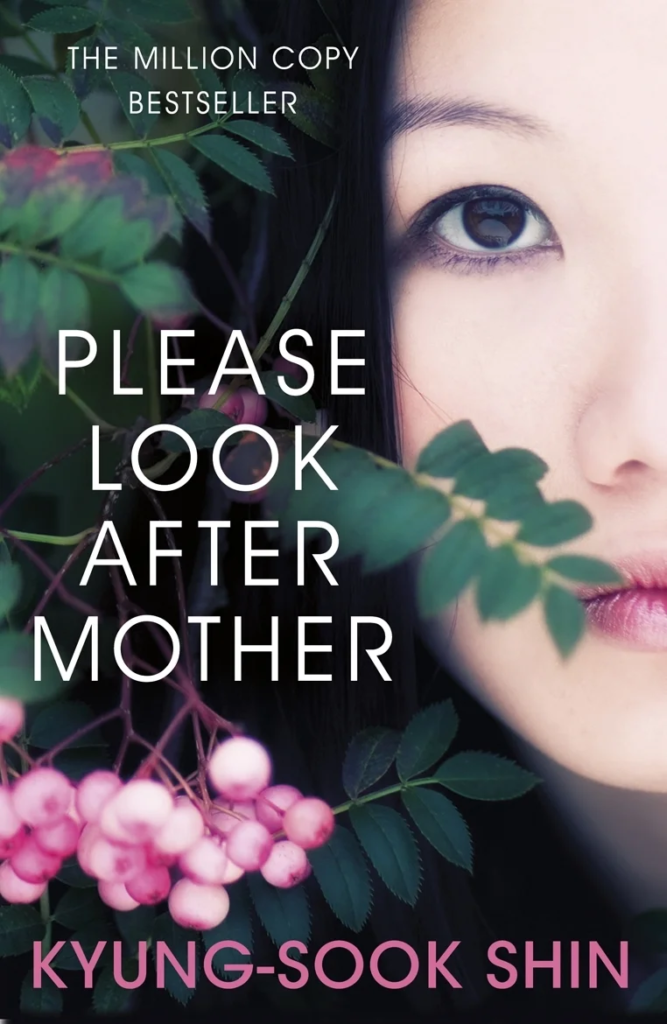
This bestselling novel begins with a simple but devastating premise.
An elderly mother disappears in a crowded Seoul subway station, forcing her family to confront how little they truly understood her.
As different family members reflect on their relationship with the missing woman, hidden regrets and overlooked sacrifices gradually emerge.
At its core, Please Look After Mom is a meditation on motherhood, memory, and the people we often take for granted until it is too late.
Readers who enjoy emotionally resonant family dramas will find much to love here.
6. Almond by Sohn Won-pyung
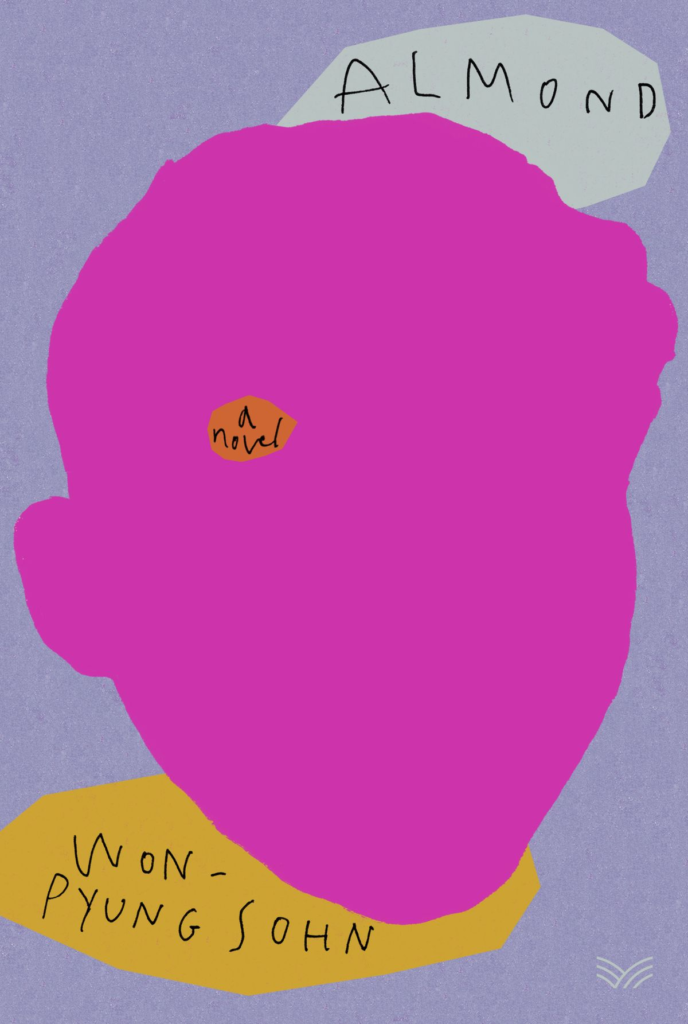
One of the most accessible Korean novels for new readers, Almond tells the story of Yunjae, a boy born with a neurological condition that limits his ability to experience emotions.
As he navigates adolescence and forms unexpected friendships, Yunjae begins to discover what it means to connect with others.
The premise may sound unusual, but the novel ultimately becomes a warm and thoughtful exploration of empathy, friendship, and human connection.
Its straightforward prose and compelling narrative make it an excellent entry point into Korean literature.
7. Welcome to the Hyunam-Dong Bookshop by Hwang Bo-reum
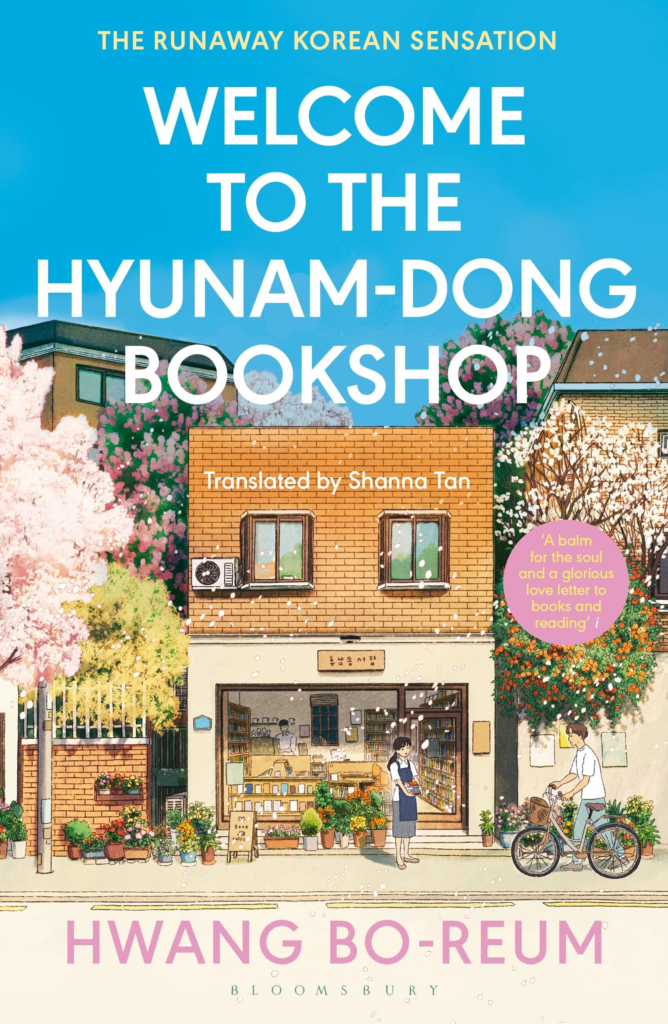
For readers who enjoy healing fiction, few recent Korean novels have generated as much enthusiasm.
The story follows Yeongju, who leaves behind an unfulfilling corporate life to run a small neighbourhood bookshop.
What begins as a personal reinvention gradually becomes a story about community, friendship, and finding meaning in everyday life.
The novel captures many of the themes that have made contemporary Korean healing fiction so popular: slowing down, rediscovering purpose, and creating meaningful connections.
It’s the literary equivalent of a warm cup of tea on a rainy afternoon.
8. DallerGut Dream Department Store by Lee Mi-ye
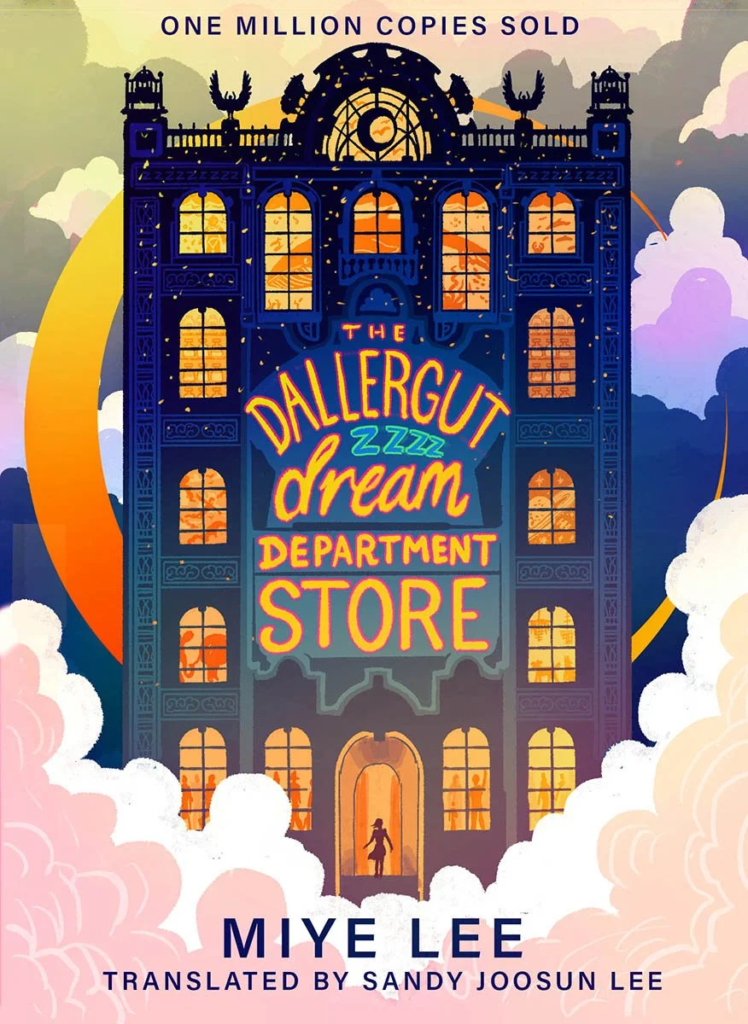
Imagine a department store where customers purchase dreams before they sleep.
That whimsical premise forms the foundation of one of Korea’s most charming modern fantasy novels.
Beneath the imaginative world-building lies a thoughtful examination of ambition, regret, happiness, and the role dreams play in our lives.
Fans of Japanese comfort fiction and magical realism will likely enjoy this delightful read.
9. The Hole by Pyun Hye-young
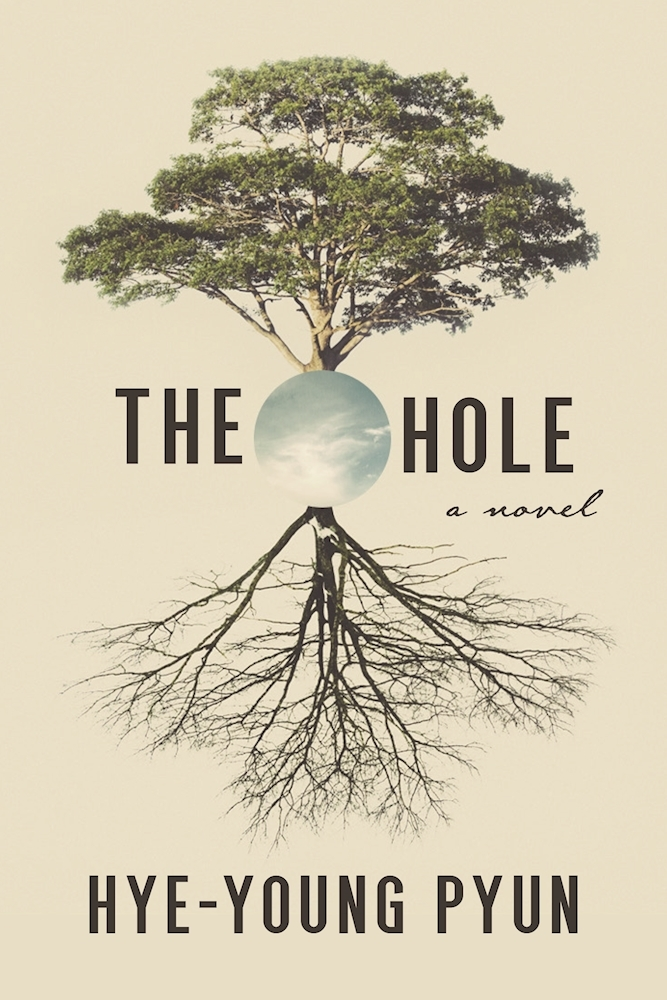
For readers who prefer darker literary fiction, The Hole offers a gripping psychological experience.
After a devastating accident leaves him physically incapacitated, Oghi becomes dependent on his mother-in-law, whose behaviour gradually becomes increasingly unsettling.
The novel combines psychological suspense with themes of guilt, helplessness, and isolation.
Its claustrophobic atmosphere makes it difficult to put down.
10. I Want to Die but I Want to Eat Tteokbokki by Baek Se-hee
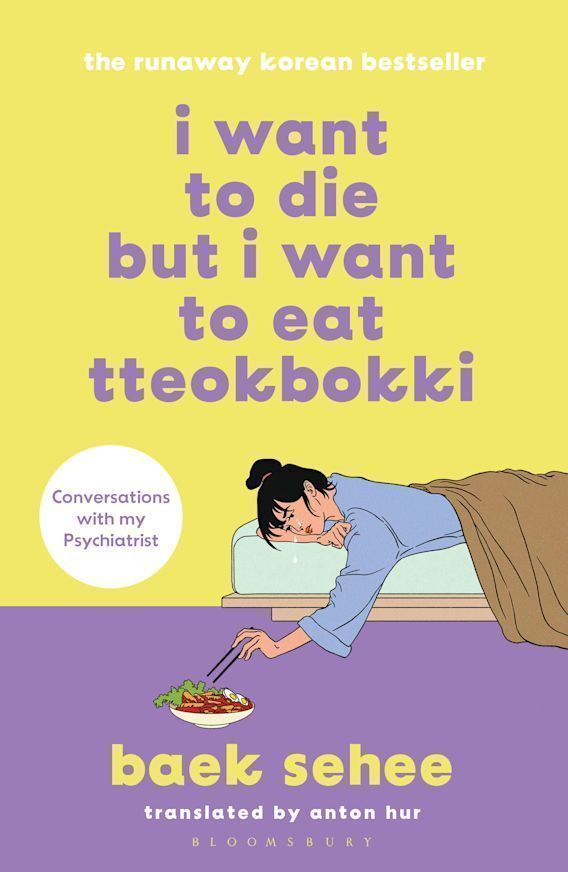
Part memoir and part therapeutic conversation, this modern Korean bestseller resonated with readers worldwide.
Through candid discussions between the author and her psychiatrist, the book explores anxiety, depression, perfectionism, and self-doubt.
Its honesty and relatability have helped it become one of Korea’s most internationally recognised contemporary titles.
11. Cursed Bunny by Bora Chung
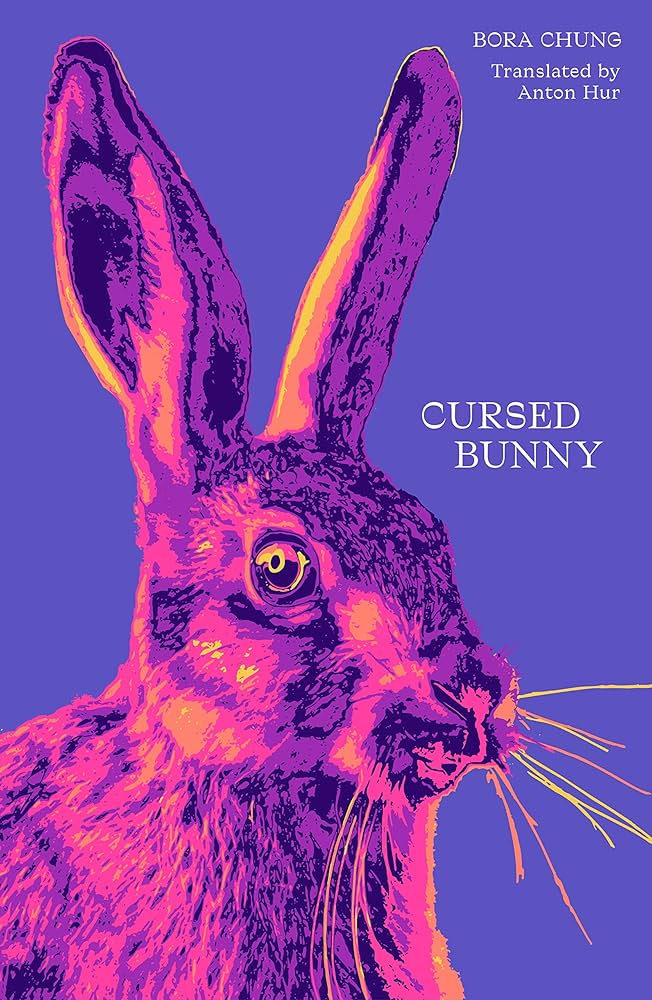
Short story collections rarely achieve mainstream popularity, but Cursed Bunny is an exception.
Blending horror, satire, fantasy, and social commentary, Bora Chung creates stories that are often bizarre, unsettling, and unexpectedly moving.
The collection demonstrates the incredible diversity of contemporary Korean literature beyond traditional literary fiction.
Readers who enjoy speculative fiction will find plenty to admire.
12. At Dusk by Hwang Sok-yong
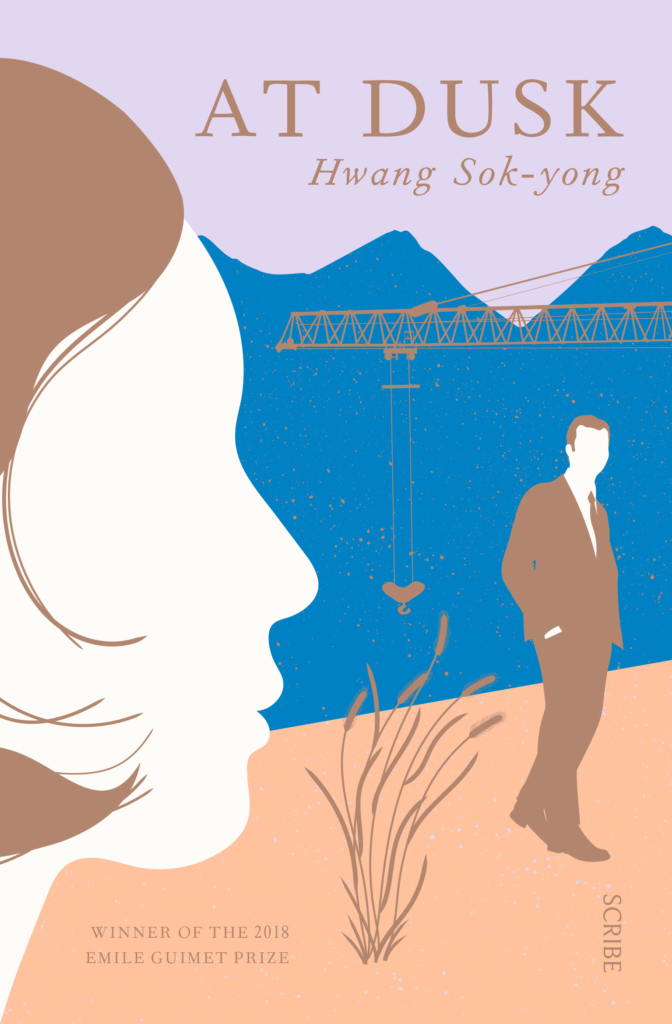
One of Korea’s most respected authors, Hwang Sok-yong explores urbanisation, memory, and social change through the story of an ageing architect reflecting on his life.
The novel examines the costs of South Korea’s rapid economic development and asks whether progress always comes at a price.
Quietly powerful and beautifully written, At Dusk rewards thoughtful readers.
13. The Prisoner by Hwang Sok-yong
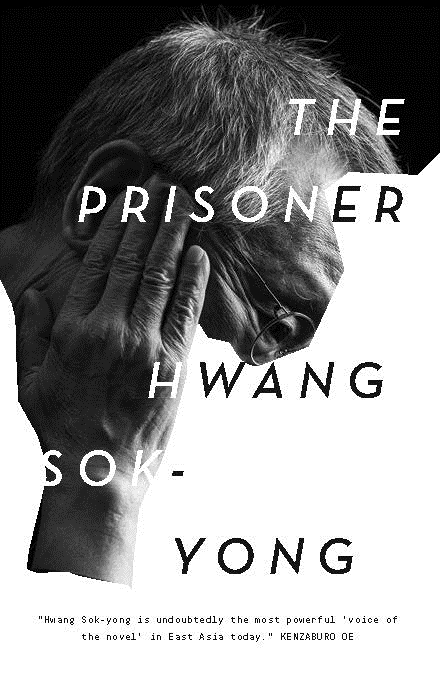
Part memoir and part political reflection, this work provides valuable insight into modern Korean history through the experiences of one of the country’s most important literary figures.
Readers interested in Korea’s political and social development will find it particularly fascinating.
14. Untold Night and Day by Bae Suah
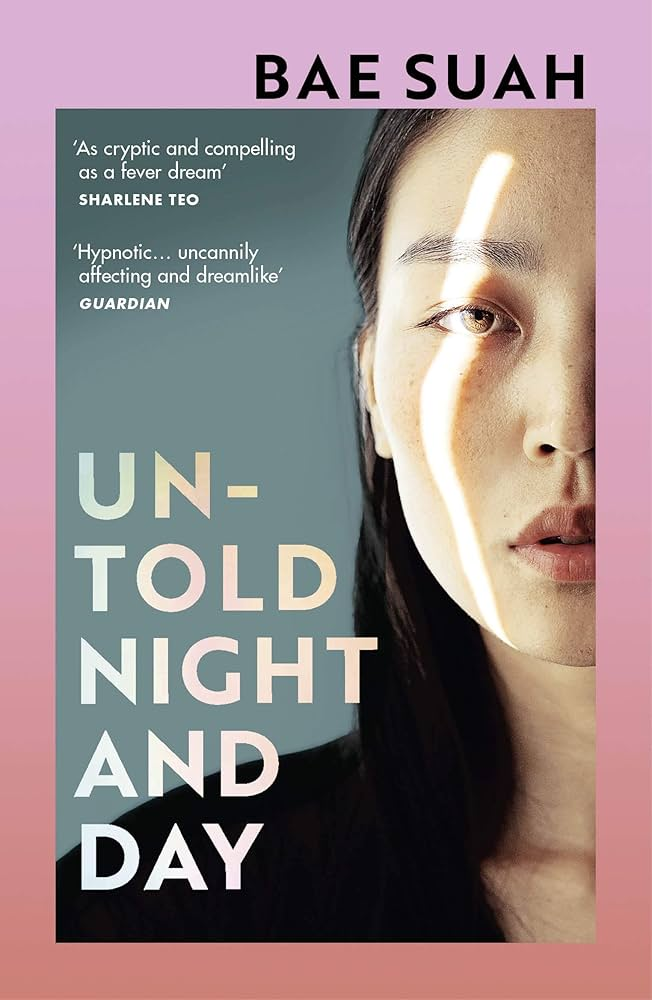
Bae Suah’s work often defies conventional storytelling.
In Untold Night and Day, reality and dream blur together as a young woman wanders through Seoul over the course of a single day.
The novel’s dreamlike quality has drawn comparisons to authors such as Haruki Murakami, though Bae Suah possesses a distinctly unique voice.
15. Concerning My Daughter by Kim Hye-jin
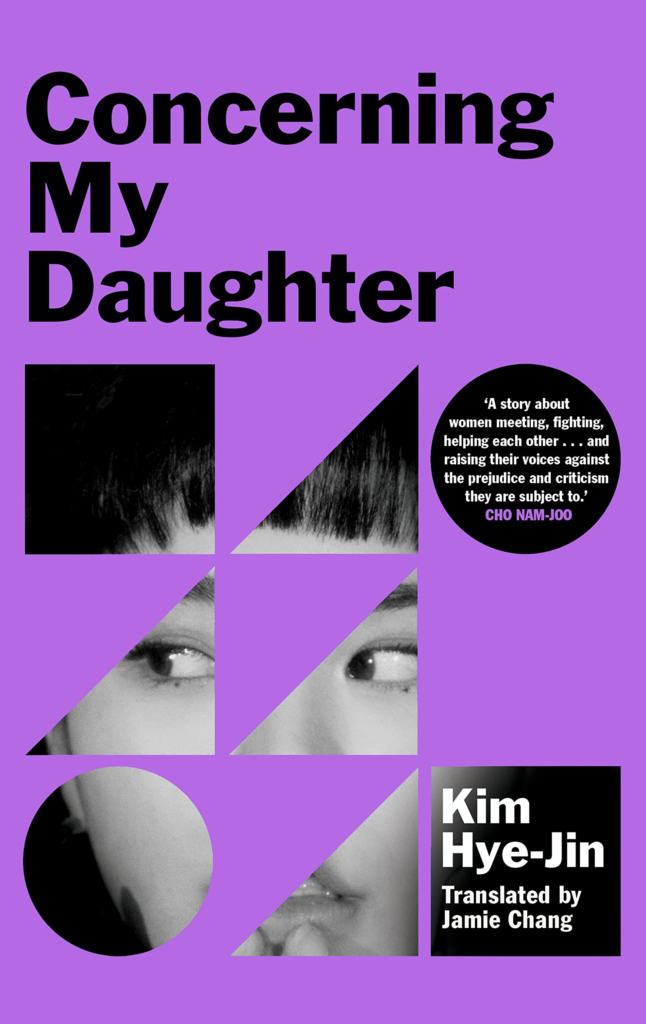
This quietly devastating novel explores generational conflict when a young woman moves back home with her female partner.
Through the perspective of the mother, the novel examines prejudice, family expectations, and changing social attitudes within contemporary Korean society.
It is both deeply personal and socially relevant, demonstrating the strength of modern Korean literary fiction.
Why Korean Fiction Is Becoming More Popular
The growing popularity of Korean literature is no coincidence.
Much like Korean cinema and television, contemporary Korean fiction excels at blending emotional storytelling with thoughtful social commentary. Many novels explore universal themes such as family, ambition, loneliness, identity, and belonging while remaining firmly rooted in Korean cultural experiences.
The quality of translation has also improved significantly in recent years, making Korean literature more accessible than ever before.
As publishers continue introducing international readers to new Korean voices, the range of available works continues to expand.
Where Should Beginners Start?
If you’re completely new to Korean fiction, Almond, Welcome to the Hyunam-Dong Bookshop, and Kim Jiyoung, Born 1982 are excellent starting points.
Readers who enjoy literary fiction should consider The Vegetarian or Human Acts.
Fans of historical fiction will likely gravitate towards Pachinko, while those looking for comfort reads may prefer Welcome to the Hyunam-Dong Bookshop or DallerGut Dream Department Store.
The beauty of Korean literature is that there is no single entry point. Whether you enjoy literary fiction, family sagas, fantasy, historical novels, or psychological thrillers, Korean authors have produced remarkable works across every genre.
Frequently Asked Questions
What is the most famous Korean novel in translation?
The Vegetarian by Han Kang is arguably the most internationally recognised Korean novel, although Kim Jiyoung, Born 1982 and Pachinko have also achieved enormous global popularity.
Is Korean fiction difficult to read?
Not at all. Many Korean novels, including Almond and Welcome to the Hyunam-Dong Bookshop, are highly accessible and suitable for readers new to translated literature.
What themes are common in Korean literature?
Family relationships, social expectations, identity, mental health, economic pressures, generational conflict, and modernisation frequently appear in Korean fiction.
Which Korean book should I read first?
For beginners, Almond offers one of the easiest entry points. Readers interested in social issues should start with Kim Jiyoung, Born 1982, while fans of literary fiction may prefer The Vegetarian.
Final Thoughts
Korean fiction has become one of the most vibrant and rewarding areas of contemporary world literature. From the feminist critique of Kim Jiyoung, Born 1982 to the haunting beauty of Human Acts and the comforting warmth of Welcome to the Hyunam-Dong Bookshop, these novels offer far more than cultural curiosity.
They tell deeply human stories that transcend geography and language.
Whether you’re discovering Korean literature for the first time or searching for your next great read, these translated works represent some of the finest storytelling available today.

Editor
Best Book Review Guide publishes independent reviews and reading guides written to help readers make better reading choices.
