Korean literatureMay 17, 2026
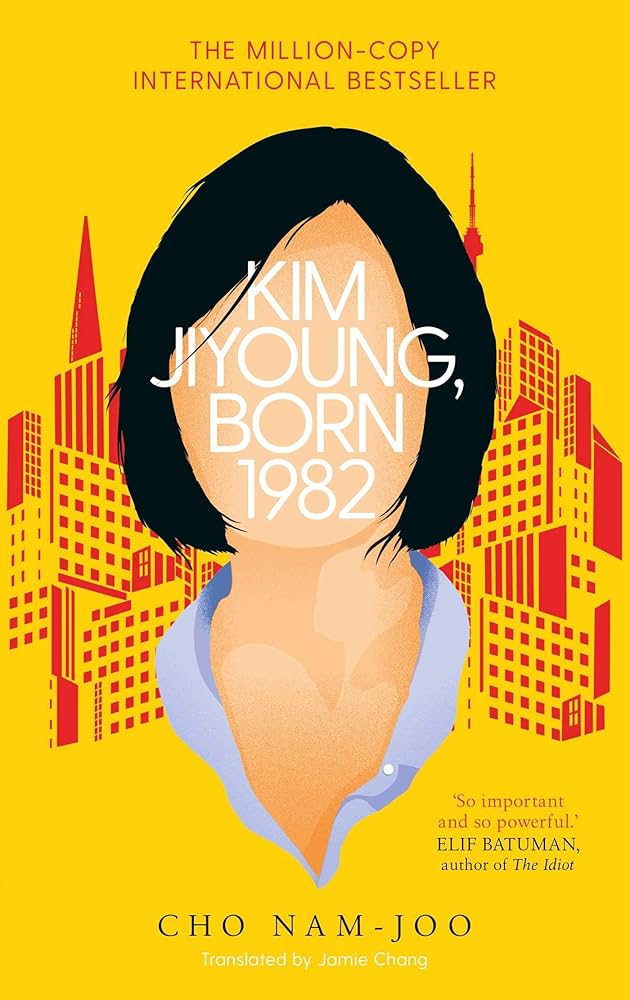
Book Review: Kim Jiyoung, Born 1982 by Cho Nam-joo
It’s an accessible yet quietly devastating feminist novel, precisely because it refuses melodrama in favour of accumulated realism.
Read reviewGood books. Better conversations.
Thoughtful reads, honest perspectives, and your next favourite book.
It’s an accessible yet quietly devastating feminist novel, precisely because it refuses melodrama in favour of accumulated realism.
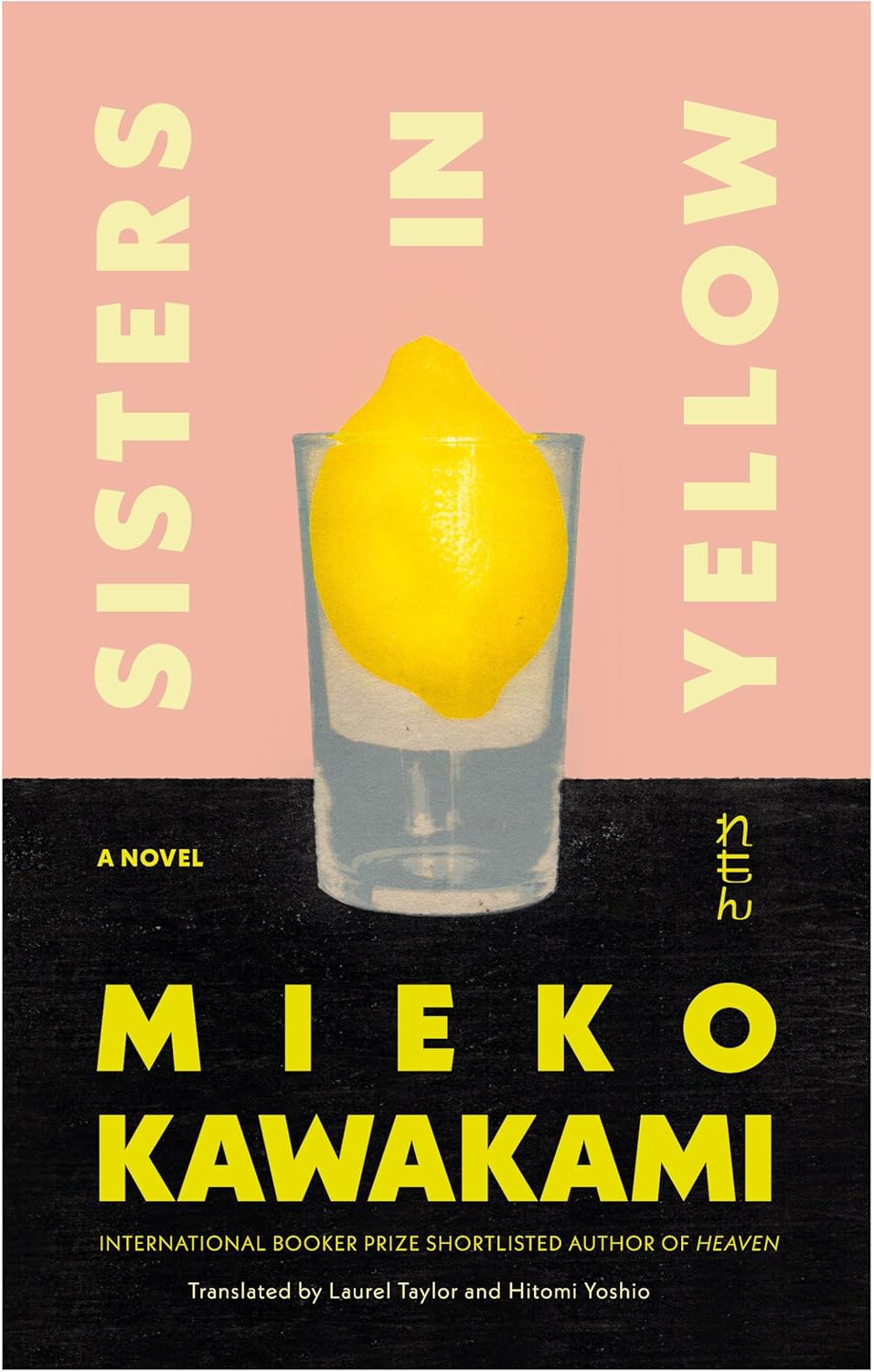
Read reviewIt’s one of Kawakami’s most emotionally sprawling works, and perhaps one of her bleakest.
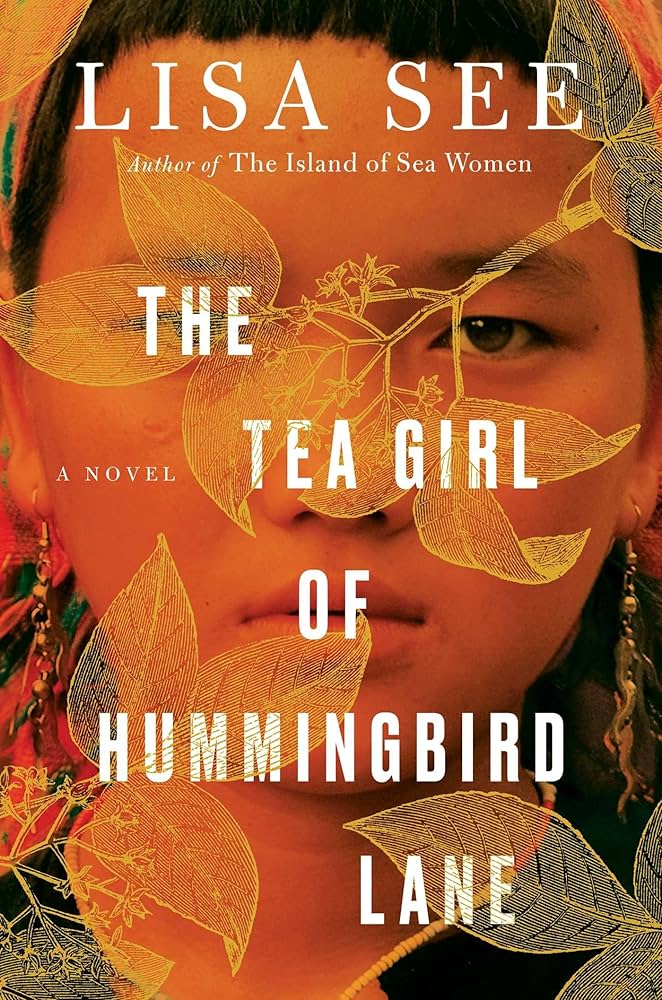
Read reviewThe Tea Girl of Hummingbird Lane is a richly detailed, emotionally driven novel that offers both cultural insight and personal storytelling.
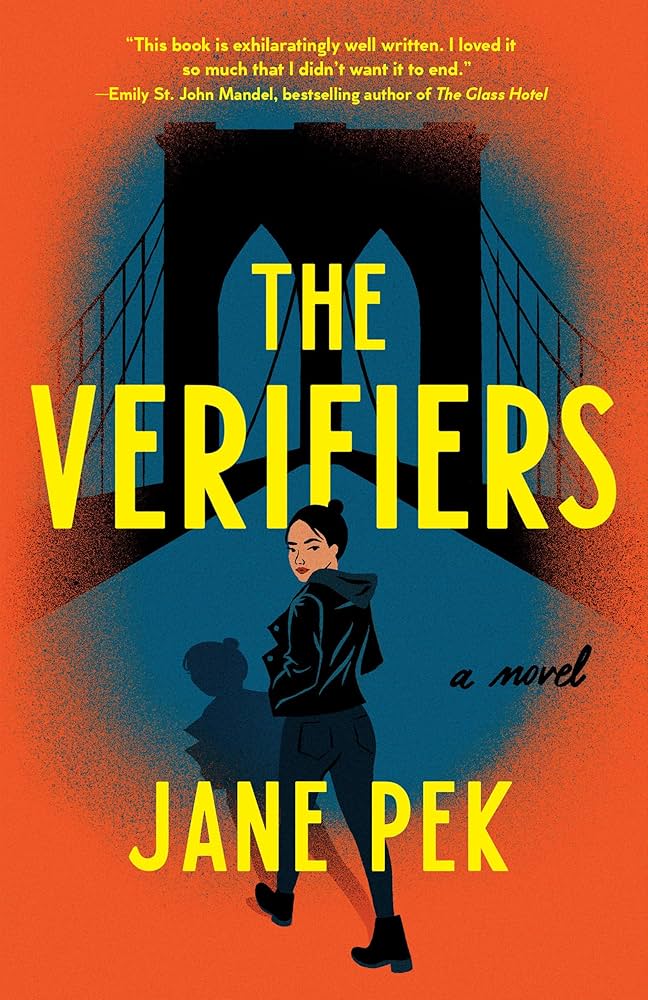
Read reviewThe novel is thoughtful, often sharp in its observations, though not always as propulsive as its setup might suggest.
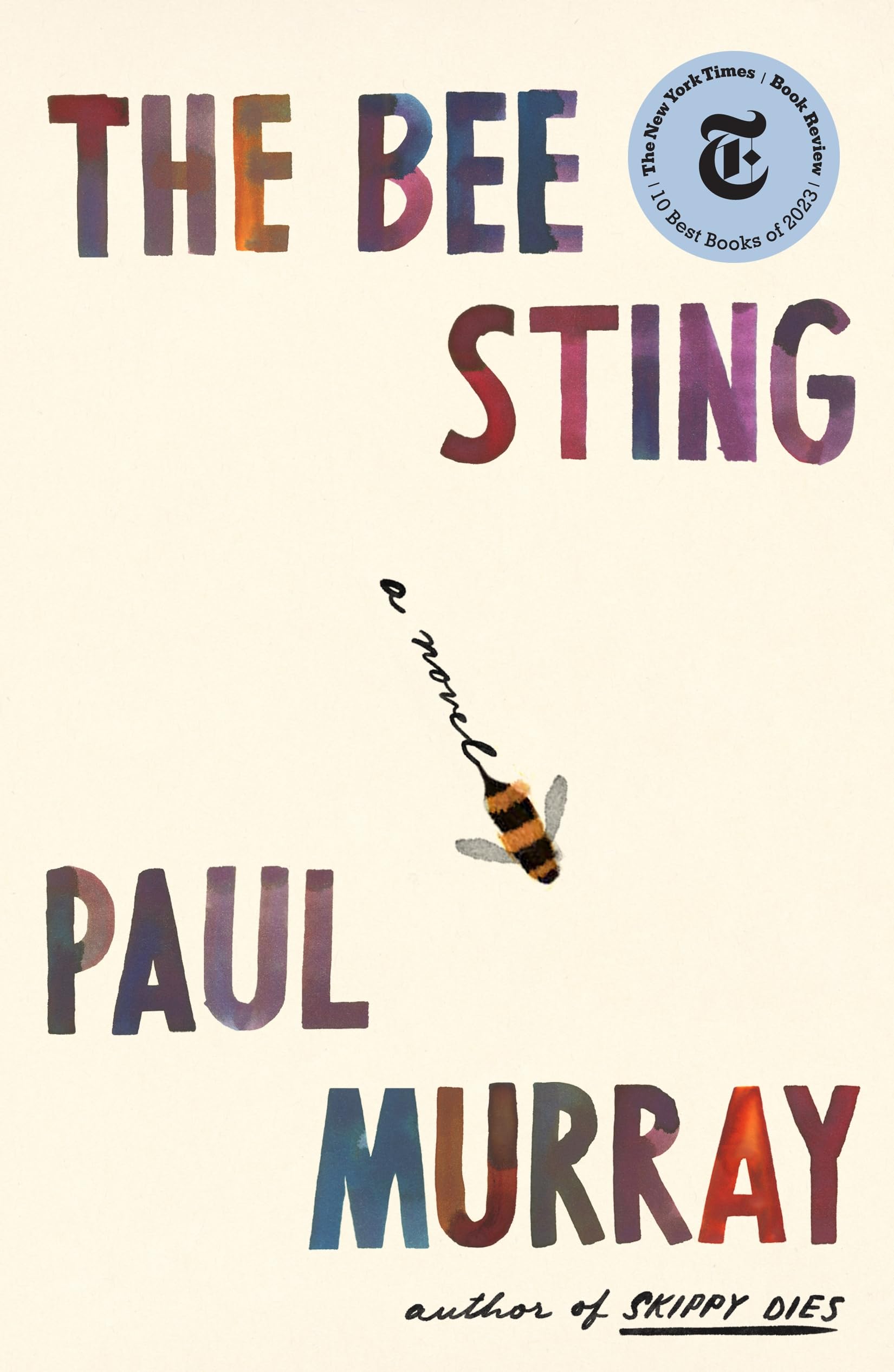
Read reviewThere’s a familiar promise attached to novels about messy families: humour, dysfunction, and hope that something might come back together.
Read reviewIt’s not a novel that announces its intentions immediately. But once it settles into its rhythm, it becomes difficult to look away.
Read reviewThis is less interested in the mechanics of competition and more concerned with what prolonged observation does to a person’s sense of…
Read reviewIt captures adolescence in a way that feels grounded and enduring, avoiding the temptation to romanticise or trivialise the experience.
Read reviewThis is recognisably an Emily Henry novel: sharply observed, emotionally aware, and built around characters who feel like they exist.
Read reviewIt reads less like a thriller and more like a slow psychological unraveling, one that reveals itself through subtle shifts in perception.
Read review